Why Do LED Lights Dim Without a Dimmer Switch?

Time:2026-09-14 Author:Sienna
0%

Many homeowners ask how to dim led lights without a dimmer switch, especially when a room feels too bright at night. The answer depends on the bulb, fixture, and control method. Some LED lamps support app control, remote adjustment, or built-in touch dimming. Others only operate at full brightness. Check the packaging first.

Lighting designer and educator David Warfel explains, “Dimming is a compatibility problem before it is a wiring problem.” That practical warning matters. An ordinary LED bulb may not respond to a wall switch designed for incandescent lamps. It can flicker, buzz, shut off, or dim unevenly. I have seen a hallway LED glow faintly after switching off, which usually suggests residual current or an incompatible circuit.

Several safer options exist. Replace the bulb with a dimmable smart LED and use its application or remote control. Choose a lamp with a three-level touch sensor. Install a compatible plug-in LED controller for a table lamp. For a ceiling fixture, use a manufacturer-approved dimming accessory. Never assume every LED product works with every control.

Start small. Test one bulb.

Read the technical label carefully. Look for “dimmable,” supported control types, and minimum-load requirements. A smart bulb may need constant power, so repeatedly cutting power can confuse its settings. This topic is simpler than it appears, but not always. Compatibility tables can be unclear, and product instructions sometimes leave important details unexplained. When wiring is involved, consult a qualified electrician instead of guessing.
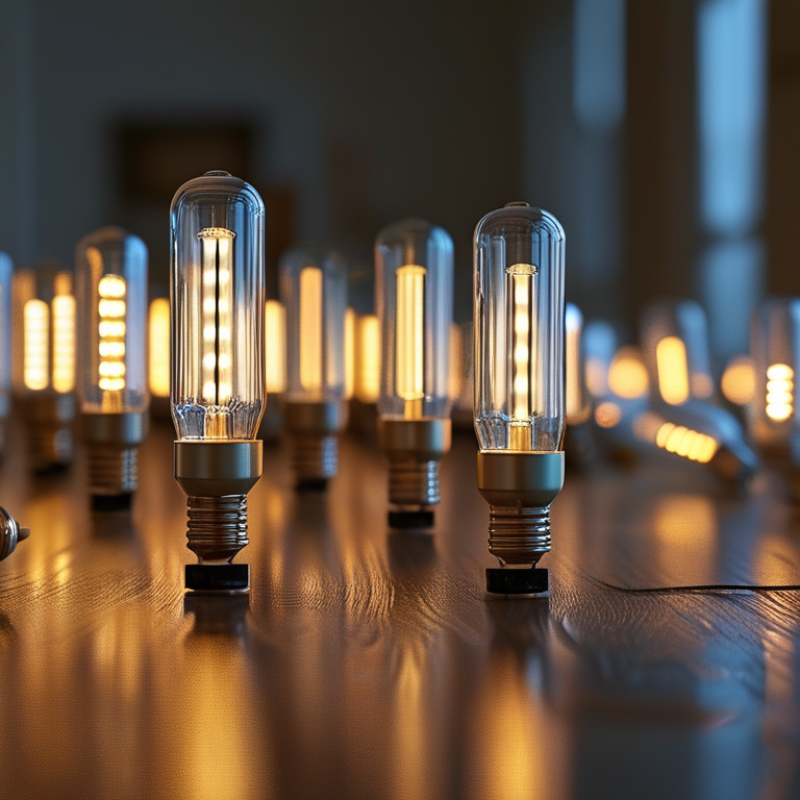
Why Do LED Lights Dim Without a Dimmer Switch?

What Causes LED Lights to Dim Without a Dimmer Switch?

LED lights can dim without a dimmer switch for several practical reasons. The LED driver may be receiving unstable voltage from the circuit. A loose wire, aging connection, or overloaded circuit can reduce power reaching the lamp. You may notice this when a heater, kettle, or vacuum starts nearby.

Heat is another common cause. Many LED fixtures reduce brightness when their internal temperature rises. A sealed ceiling fitting can trap warm air around the driver. Dust, poor ventilation, or an incorrect bulb size may make the problem worse. Some lights also dim because their drivers are aging. Their brightness may fade gradually, not suddenly.

The control system can matter too. A smart switch, motion sensor, or illuminated wall switch may allow a small current to pass when the light is off. Certain LED drivers react badly to that current and glow faintly or pulse. Diagnosis is not always neat. Even a recently installed light can have a wiring fault.

Tips: Turn off other high-power appliances and observe the light. Check whether one fixture or the whole room dims. Do not open live wiring. If brightness changes across several rooms, contact a qualified electrician to test voltage and connections. For one troublesome fixture, replace the lamp only after checking its socket and ventilation. Loose terminals need prompt attention.

How LED Drivers Control Brightness and Electrical Output

Why Do LED Lights Dim Without a Dimmer Switch?

An LED can dim without a wall dimmer because its driver controls electrical output internally. The driver converts incoming AC power into stable DC current. It then limits the current reaching the LED chips. Less current usually means less light. Some drivers use pulse-width modulation, switching power on and off rapidly. Others reduce the current continuously. Your eyes usually see steady brightness.

This control becomes visible when the circuit changes. A long cable, loose connection, or overloaded circuit can reduce voltage at the fixture. The driver may respond by lowering output or entering protection mode. Heat can cause the same behavior. I once assumed a fading lamp always had a failing LED. That assumption was incomplete. The driver may be protecting itself from excessive temperature or unstable input power.

Some fixtures include sensors, emergency controls, or built-in dimming settings. These features can change brightness without a separate switch. An incompatible control system may also send distorted signals to the driver. Flicker can follow. Careful testing should measure voltage at the fixture while it is operating, not only at the panel. Check connections after shutting off power. If brightness changes repeatedly, a qualified electrician should inspect the circuit and driver. Random replacement is tempting, but it can hide the real electrical problem.

Common Wiring and Power Problems That Make LEDs Dim

Why Do LED Lights Dim Without a Dimmer Switch?

LED lights can dim even when no dimmer switch is installed. In field troubleshooting, a loose neutral connection is a common cause. It may sit behind the wall switch, inside a junction box, or near the ceiling fitting. The light often flickers when another appliance starts. That detail matters.

Voltage drop can also reduce brightness. Long cable runs, undersized wiring, overloaded circuits, and cheap extension leads increase resistance. A lamp may look normal alone, then dim when a heater or refrigerator operates. I once blamed the LED itself too quickly. The actual problem was a weak socket connection. LED drivers can also age, overheat, or react badly to unstable power.

Tips: Turn off the circuit breaker before checking any fitting. Look for heat marks, loose terminals, damaged insulation, or a buzzing socket. Never pull wires from a live box. A qualified electrician can measure voltage at the panel and the lamp under load. A large voltage difference points toward wiring or connection trouble. If several lights dim together, inspect the shared circuit first. If only one lamp dims, check its socket, driver, and nearby connections. Cheap fixes are tempting. They are not always wise.

Why Do LED Lights Dim Without a Dimmer Switch?

LEDs can appear dim when the fixture receives less voltage than its rated supply. Common causes include loose terminals, overloaded circuits, long cable runs, neutral faults, and incompatible electronic switches. The readings below are representative diagnostic voltage measurements for a 120 V lighting circuit; actual values vary by installation and load.

How Temperature, Aging, and Overloaded Circuits Affect LED Brightness

Why Do LED Lights Dim Without a Dimmer Switch?

An LED can dim without a dimmer switch, and temperature is often the quiet cause. Inside the lamp, heat raises the LED junction temperature. As that junction gets hotter, light output and electrical efficiency can decline. The U.S. Department of Energy’s 2022 Solid-State Lighting R&D Opportunities report identifies thermal management as a continuing industry challenge. A sealed fixture, dusty shade, or hot ceiling traps heat around the driver. Notice the heat.

Aging is slower, but it is real. Industry ratings commonly use L70, meaning 70% of initial light output remains. It does not mean the lamp suddenly dies. IES TM-21-21 explains how measured lumen-maintenance data can project long-term performance, but projections are not the same as decades of observation. The DOE reports that LED packages can maintain light for many thousands of hours. Actual life depends on temperature, current, and construction. That distinction matters.

An overloaded circuit can create another dimming symptom. When wiring carries excessive load, voltage may sag, especially across long or undersized conductors. Some LED drivers respond by reducing output, flickering, or shutting down briefly. Power-quality guidance from the DOE and electrical testing standards treats input voltage and driver behavior as key performance variables. Switching off nearby high-load equipment can reveal the pattern, but repeated dimming deserves a qualified electrical inspection. I may be too quick to blame the bulb. Sometimes the circuit is telling the truth.

Steps to Diagnose and Fix Unexpected LED Dimming

Why Do LED Lights Dim Without a Dimmer Switch?

Unexpected LED dimming usually begins with diagnosis, not replacement. Turn off other high-load devices on the same circuit, such as heaters or vacuum cleaners. Watch whether the light dims when those devices start. A loose neutral connection can also cause unstable voltage, creating visible brightness changes. Do not inspect live wiring. Switch off the breaker and call a licensed electrician when connections seem damaged.

Check the LED driver, socket, and any hidden control device. Motion sensors, timers, smart switches, and old three-way switches may reduce LED power without a traditional dimmer. Test the lamp in a different, known-good fitting. If the flicker disappears, the original circuit needs attention. A phone camera can expose dark bands or pulsing light, but this test is imperfect. Human eyes may miss flicker.

The U.S. Department of Energy reports that LED products use at least 75% less energy and can last up to 25 times longer than incandescent lamps. That efficiency depends on stable power and compatible drivers. IEEE 1789-2015 also links modulation depth and frequency with potential visual discomfort, so dimming should not be dismissed as cosmetic. Record when the problem occurs, including appliance use and weather. An electrician can then measure voltage, inspect neutral continuity, and verify driver compatibility. Sometimes the lamp is faulty. Sometimes the building wiring is the real clue.

Why Do LED Lights Dim Without a Dimmer Switch? - Steps to Diagnose and Fix Unexpected LED Dimming

Observed Symptom Likely Cause Diagnostic Steps Recommended Fix Priority
The light gradually becomes dimmer after installation. LED driver or power supply is overheating. Turn the light off for 20–30 minutes, then switch it on again. Check whether brightness returns temporarily. Improve ventilation, use the correct fixture rating, or replace the LED lamp or driver with a compatible unit. Medium
Several lights dim at the same time. Loose connection, overloaded circuit, or unstable supply voltage. Observe whether other appliances are affected. Check for flickering, buzzing, warm outlets, or tripped breakers. Stop using the affected circuit if heat, odor, or sparking is present. Have a qualified electrician inspect the wiring and load. High
The light dims when a refrigerator, heater, or motor starts. Temporary voltage drop caused by appliance startup current. Identify whether dimming occurs only when a high-power appliance turns on. Ask an electrician to check circuit loading, conductor size, connections, and voltage stability. Medium
Only one LED lamp is dim while other lights remain normal. Lamp failure, poor socket contact, or a defective internal driver. Turn off power and test the lamp in a known-good compatible socket. Inspect the socket for looseness or discoloration. Tighten or replace the socket if necessary, or replace the lamp with one of the correct voltage and wattage. Low
Brightness changes when the switch is touched or moved. Worn switch, loose terminal, or incomplete electrical contact. Listen for crackling and check whether movement of the switch affects brightness. Do not remove the cover while energized. Turn off the circuit breaker and have the switch and terminals repaired or replaced by a qualified electrician. High
The LED remains faintly lit after the switch is turned off. Small leakage current from an illuminated switch, electronic control, or connected device. Check whether the switch has a locator light or electronic control. Test with a standard mechanical switch if appropriate. Use a compatible switch, remove the locator feature, or install an approved bypass component as specified by an electrician. Medium
The LED flickers or dims rapidly. Incompatible control gear, unstable driver, poor connection, or power-quality issue. Determine whether flicker occurs continuously or only with another device operating. Inspect for loose connections and check the lamp specification. Replace incompatible components, secure wiring, or arrange an electrical inspection if flicker affects multiple fixtures. Medium
The light is dim after being installed in an enclosed fixture. Excessive heat buildup caused by insufficient airflow. Compare the fixture requirements with the lamp instructions and check whether the enclosure becomes unusually hot. Use an LED rated for enclosed fixtures or replace the fixture with a better-ventilated model. Medium
Dimming began after recent wiring or renovation work. Incorrect wiring, loose neutral, or a circuit connection error. Turn off the breaker and review the work history. Do not rely on visual inspection alone to confirm wiring safety. Have a qualified electrician verify line, neutral, grounding, and terminal connections before continued use. High
Safety note: Turn off the circuit breaker before inspecting wiring or removing a fixture. If you notice burning smells, sparks, hot switches, buzzing, or repeated breaker trips, stop using the circuit and contact a qualified electrician.

FAQS

Can LED lights dim without a dimmer switch?

Yes. Unstable voltage, heat, aging drivers, or hidden controls can reduce brightness.

Why does an LED light dim when an appliance starts?

A heater, kettle, or vacuum may overload the circuit briefly. Voltage can sag, especially with long or undersized wiring. Watch for this pattern.

Can heat make an LED light become dimmer?

Yes. Hot internal parts can reduce light output. Sealed fittings, dusty covers, and poor ventilation trap heat near the driver.

How does an aging LED lamp usually behave?

Aging is often gradual. Brightness may fade over many hours instead of disappearing suddenly. A lamp can still work while producing less light.

Could a smart switch or motion sensor cause faint glowing?

Yes. Some controls pass a small current when the light is off. Sensitive LED drivers may glow faintly or pulse.

How can I tell whether the lamp or circuit is the problem?

Check whether one fixture or several rooms are affected. Test the lamp in a known-good fitting. If it works normally there, inspect the original socket or circuit.

What should I do before checking unexpected dimming?

Turn off nearby high-power appliances and observe the light. Record when dimming occurs. Do not open live wiring.

When should an electrician inspect the installation?

Contact a qualified electrician when several rooms dim, terminals seem loose, or brightness changes repeatedly. They can test voltage and neutral continuity. I may blame the bulb too quickly. Sometimes the wiring tells the truth.

Conclusion

LED lights can dim even when no dimmer switch is installed because their brightness depends on stable voltage, current, and the performance of the internal LED driver. Loose connections, undersized wiring, voltage drops, faulty power supplies, or overloaded circuits may prevent the fixture from receiving consistent power. In some cases, the driver automatically reduces output to protect the LEDs from excess heat or electrical stress. Aging components, high operating temperatures, and poor ventilation can also cause gradual or intermittent dimming.

To diagnose the problem, check whether one light or several fixtures are affected, inspect wiring connections, and verify that the circuit is not overloaded. Measuring voltage at the fixture can help identify power fluctuations, while cleaning vents and improving airflow may reduce heat-related issues. If the goal is to learn how to dim led lights without a dimmer switch, use a compatible LED fixture or controller designed for adjustable output rather than relying on unstable power reduction. Persistent flickering or dimming should be inspected by a qualified electrician to ensure safe and reliable operation.

Sienna

Sienna

Sienna is a skilled marketing professional with a deep expertise in our company’s core products and services. With a passion for innovation and detail, she plays a pivotal role in crafting insightful blog posts that not only highlight the unique features of our offerings but also provide valuable......