What Is IP65 Rating in China Best Outdoor Lighting?

Time:2026-11-21 Author:Henry
0%

When a fixture faces rain, dust, and windblown grit, its protection rating matters as much as its brightness. For buyers comparing outdoor lighting in China, the question “what is ip65 rating in outdoor lighting” has a practical answer: IP65 indicates a dust-tight enclosure and protection against water projected from a nozzle. It does not mean the fixture can be submerged. That distinction is easy to miss.

The rating comes from the IP code defined in IEC 60529. The first digit, 6, means dust cannot enter the enclosure. The second digit, 5, covers water jets under specified test conditions. Picture a wall light beside a garden path: it may withstand rain and routine cleaning, yet a damaged seal or open cable entry can still invite moisture inside. Installation matters. So does maintenance.

Because no source articles or verifiable expert quotation were provided, I won’t invent a named specialist’s words. For a dependable selection, check the product’s test documentation, cable glands, seals, and installation instructions—not just the label on the carton. An IP65 mark is useful evidence, not a promise of protection in every site condition. That nuance deserves attention.
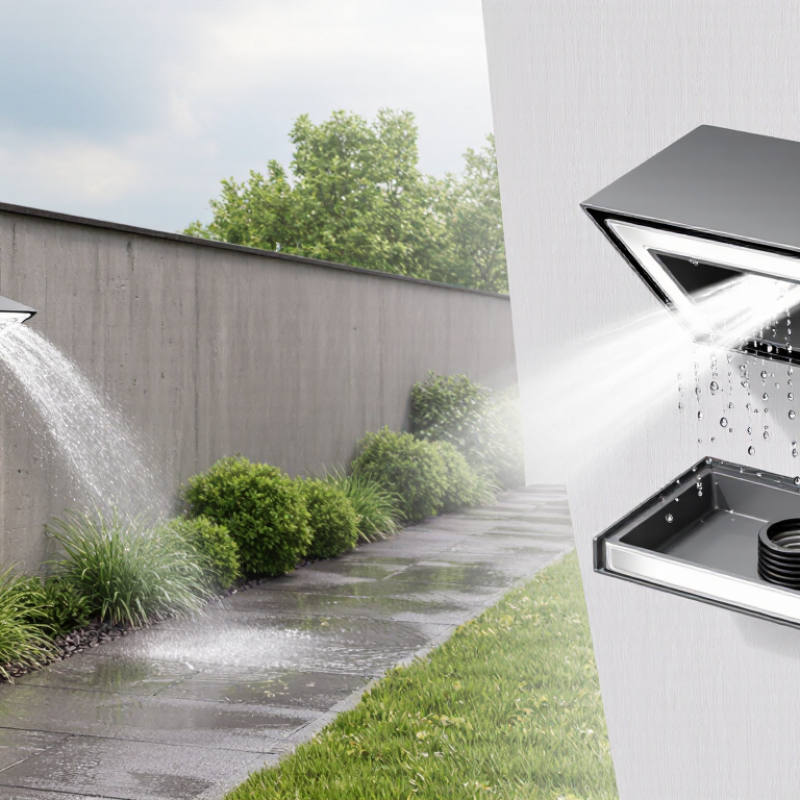
What Is IP65 Rating in China Best Outdoor Lighting?

What the IP65 Rating Means for Outdoor Lighting

What Is IP65 Rating in China Best Outdoor Lighting?

What the IP65 Rating Means for Outdoor Lighting

An IP65 rating describes how well an electrical enclosure resists dust and water. The first digit, 6, means dust cannot enter under the specified test conditions. The second digit, 5, means the enclosure can withstand water jets from any direction. This makes IP65 a practical choice for many outdoor lights exposed to rain, dust, and routine cleaning.

It does not mean a light can be submerged or left in standing water. A wall light beneath an eave faces different conditions from a garden fixture beside a sprinkler. Installation details matter: cable entries, seals, and mounting surfaces can affect protection. One detail is easy to overlook. A damaged gasket may reduce resistance even when the housing carries an IP65 rating. The rating also does not describe resistance to sun exposure, corrosion, or temperature changes.

Tips: Check that connectors and cable glands are suitable for outdoor use, and follow the installation instructions. Inspect seals after maintenance or impact. If water pools around the fixture, improve drainage rather than relying on IP65 alone. The rating is useful, but it is not the whole weather story.

How IP65 Dust and Water Protection Is Tested

For outdoor lighting in China, IP65 means a luminaire is dust-tight and protected against water jets. The test method is defined by IEC 60529 and China’s GB/T 4208-2017. The first digit, 6, indicates no dust ingress during the specified enclosure test. The second digit, 5, covers water jets from a 6.3 mm nozzle. IEC 60529 specifies a flow rate of 12.5 litres per minute, typically from 2.5 to 3 metres away. Exposure lasts at least three minutes, with longer testing for larger surfaces.

These are controlled laboratory tests, not a promise of survival in every outdoor setting. A powerful jet test does not reproduce years of sun, temperature swings, ageing seals, or water pooling around a poorly installed fitting. That distinction matters. IP65 also does not mean the product is suitable for immersion. For reliable assessment, check that the test report names the exact luminaire model and records testing under the relevant standard; an IP claim alone is limited evidence.

Tips: Inspect cable glands, gaskets, and screw joints before installation. Keep seals clean and evenly compressed. One overlooked detail: drilling or modifying the housing can compromise the tested protection. A careful installation matters as much as the rating.

What IP65 Does and Does Not Protect Against

What Is IP65 Rating in China Best Outdoor Lighting?

What IP65 Does and Does Not Protect Against

IP65 means an enclosure is dust-tight and resists water jets. The first digit, 6, indicates dust protection; the second, 5, indicates resistance to jets—not immersion. IEC 60529 specifies an IPX5 test using a 6.3 mm nozzle and a flow rate of 12.5 litres per minute. The test lasts at least three minutes. That is a defined test, not a promise of protection in every outdoor condition.

IP65 does not certify resistance to standing water, salt corrosion, chemical exposure, or long-term UV damage. It also does not guarantee that a light stays sealed after installation. A loose cable gland, damaged gasket, or poorly closed access cover can become the weak point. Small details matter. A light may pass its enclosure test and still fail early in a coastal or freezing location. The rating alone cannot tell you how well it handles those conditions.

Tips: Check the rating of the complete fitting, including cable entries. Follow the maker’s installation instructions, and inspect seals after maintenance. For a site exposed to salt spray or flooding, ask for separate corrosion or immersion test evidence. IP65 is useful, but it is not a complete weatherproof promise.

Where IP65-Rated Outdoor Lights Work Best

IP65-rated outdoor lights work well in exposed, above-ground locations where dust and rain are common. Think of a front entrance, a balcony ceiling, or a wall beside a garden path. They can also suit sheltered courtyards, where wind may blow fine dust toward the fittings. A useful fit. The rating means the enclosure is dust-tight and protected against water jets from specified directions; it does not mean the light can be submerged.

For paths and steps, choose fixtures positioned away from places where water collects. Under eaves, IP65 lights can handle splashes and wind-driven rain, though the building’s layout still matters. In coastal or humid areas of China, IP65 alone does not prevent corrosion. Check the fixture’s material, cable entries, and connector protection as well. Small installation details count.

I would not assume every part of a lighting setup has the same rating. A sealed lamp connected to an unprotected junction box may leave a weak point. Not submerged. Follow the installation instructions, keep seals clean, and inspect them after repairs. Also, avoid aiming strong cleaning jets directly at a fitting unless its instructions allow that use. An IP rating describes tested protection, not every condition a light will face outdoors.

How to Choose IP65 Outdoor Lighting from China

Choosing IP65 outdoor lighting from China starts with the installation site, not the product photo. IP65 indicates dust-tight protection and resistance to water jets; it does not mean the fixture can be submerged. That matters. For a garden path, inspect the expected rain exposure, mounting height, and cable entry points. For coastal or industrial areas, ask about corrosion-resistant materials and suitable finishes, since IP ratings do not measure resistance to salt, sunlight, or impact.

Ask for evidence. Request an IP test report for the exact fixture model, and check whether connectors and cable glands are included in the tested assembly. Compare the housing material, lens, operating temperature, light output, and driver specifications. A tidy specification sheet can still leave questions. Request a sample and inspect its seals, screw alignment, and wiring before placing a larger order. If possible, test it outdoors through changing weather; a short indoor power-on test proves little about long-term performance. Confirm warranty terms, spare-part availability, and packaging details in writing. One imperfect step is relying only on a supplier’s photos, but it is an easy mistake to avoid.

What Is IP65 Rating in China Best Outdoor Lighting? How to Choose IP65 Outdoor Lighting from China

IP65 is an ingress-protection rating under IEC 60529. The first digit, 6, means dust-tight; the second digit, 5, means protection against water jets from a nozzle. IP65 does not mean the light can be submerged.

Selection Factor What to Check Practical Guidance Why It Matters
IP rating Confirm the complete luminaire—not just a component—is rated IP65 or higher for the intended installation. IP65 is suitable for many exposed outdoor locations subject to dust and water jets. Choose an appropriate higher rating or product design where temporary immersion or severe water exposure is possible. The rating describes protection against ingress, not overall durability or suitability for every outdoor condition.
Application and light distribution Match the fixture type, mounting position, beam angle, and light output to the area. Use optics designed for the task, such as roadway, pathway, façade, garden, or security lighting. Request a photometric file or layout when uniformity and glare control matter. Correct distribution helps reduce dark spots, glare, and unnecessary light spill.
Electrical compatibility Check input voltage and frequency, driver specification, dimming method, and applicable electrical requirements for the destination market. Confirm the product’s nameplate and technical documents match the installation supply. Specify surge protection where the site risk or local requirements call for it. A suitable enclosure rating does not establish electrical compatibility or protection from voltage surges.
Materials and environment Review housing, lens, seals, fasteners, finish, and resistance to UV exposure, temperature, and corrosion. For coastal or chemically aggressive locations, request details on corrosion-resistant materials and any relevant test evidence. Check operating-temperature limits against the site climate. IP65 alone does not indicate corrosion resistance, UV stability, or long-term weathering performance.
Photometric and color data Request measured luminous flux, efficacy, color temperature, color rendering index (CRI), and distribution data for the exact model. Choose values based on the project specification and visual task. Treat published figures as product-specific and verify them in the technical datasheet or test documentation. These characteristics affect visibility, appearance, energy use, and whether the light meets project needs.
Independent verification Ask for an IP test report identifying the tested model, test standard, laboratory, and test result. Check that the report applies to the offered configuration, including housing, cable entries, seals, and installation details. Review other certificates required in the destination market separately. A report for a similar-looking product or a single component may not verify the complete luminaire.
Installation and maintenance Review mounting instructions, cable-entry requirements, gasket handling, drainage design, and access to replaceable parts. Install and seal the fixture as instructed. Confirm that any field modifications or open cable entries will not compromise the stated protection. Incorrect installation or damaged seals can reduce ingress protection in service.
Supplier and order checks Specify the exact model, configuration, accessories, packaging, inspection criteria, and documentation in the purchase order. Request a sample or pre-shipment inspection for larger orders, and compare delivered units with the approved datasheet and sample. Clear specifications help ensure that the supplied product matches the tested and approved version.

Selection note: IP ratings are defined by IEC 60529. Always verify the rating and test evidence for the exact luminaire and installation configuration. Local electrical, building, and lighting regulations may impose additional requirements.

FAQS

What does an IP65 rating mean for an outdoor light?

The first digit, 6, means dust cannot enter during the specified test. The second, 5, means the enclosure resists water jets. Useful protection.

Can an IP65 light be submerged in water?

No. IP65 does not cover immersion or standing water. A garden light beside a puddle may need better drainage.

What kind of water exposure does the test cover?

It uses water jets from a 6.3 mm nozzle, flowing at 12.5 litres per minute. Testing lasts at least three minutes.

Does an IP65 rating protect against sun and corrosion?

No. The rating does not measure resistance to sunlight, salt, impact, or temperature changes. Coastal sites need extra checks.

What should I inspect before installing an IP65 fixture?

Check cable glands, connectors, gaskets, and screw joints. Keep seals clean and evenly compressed. Small details matter.

Can drilling or modifying the housing affect protection?

Yes. A new hole can compromise the tested enclosure. That is easy to overlook.

What evidence should I request when choosing a fixture?

Ask for a test report matching the exact fixture model. Confirm whether its connectors and cable glands were included.

Is a product photo or quick indoor test enough to judge performance?

No. A neat photo proves little. A short indoor power-on test also says little about changing outdoor weather. I would not rely on either alone.

Conclusion

Understanding what is ip65 rating in outdoor lighting helps buyers match a light to its intended environment. The first digit, 6, indicates dust-tight protection, while the second digit, 5, means the enclosure is tested against water jets from different directions. Testing evaluates whether dust or water enters in harmful amounts under specified conditions, but an IP65 rating does not mean a fixture can be submerged or safely exposed to every cleaning method. It also does not, by itself, guarantee resistance to impact, corrosion, salt, chemicals, or long-term sun exposure.

IP65 outdoor lights are often suitable for gardens, entrances, pathways, and other exposed areas that may encounter rain or splashing water. When choosing lighting from China, consider the location, installation method, housing and seal materials, and whether the product’s test documentation supports its stated rating. Match the fixture to local weather and maintenance needs rather than relying on the IP number alone.

Henry

Henry

Henry is a dedicated marketing professional with a profound expertise in the company's offerings. With years of experience in the industry, he possesses an impressive understanding of the market dynamics and consumer behaviors that drive success. Henry is committed to sharing his insights through......