In an era where home security is paramount, the question often arises: why choose smart lighting for home security? Experts in the field, like Mark Roberts, a leading security technology consultant, emphasize the role of smart lighting in creating safer homes. He states, "Smart lighting not only deters intruders but also enhances your home’s visibility."
Smart lighting systems can be programmed to mimic your daily routines. When lights turn on and off automatically, it makes a home appear occupied, reducing the risk of break-ins. This is especially vital in 2026, as technology continues to advance. However, homeowners must consider the initial setup costs and learn to operate these systems effectively.
Moreover, while technology offers many benefits, it is essential to recognize potential pitfalls. Issues can arise from inadequate installations or technical malfunctions. Reflecting on these challenges allows homeowners to make informed decisions. As security evolves, understanding why smart lighting is a valuable tool in your security arsenal becomes increasingly important.
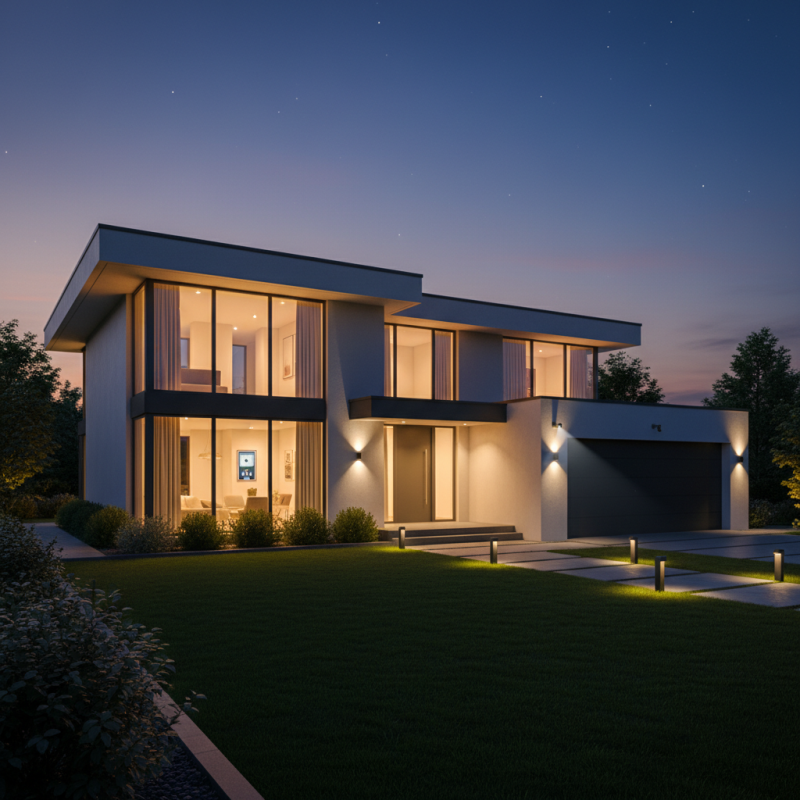
Smart lighting is becoming a pivotal element in home security. It integrates technology to offer more than just illumination. Specifically, smart lights can mimic your daily habits. This deters potential intruders by creating an illusion of occupancy. For instance, lights that turn on and off at random intervals can significantly reduce the chances of a break-in.
Moreover, smart lighting systems often come with motion sensors. These sensors can detect movement within and around your home. When triggered, they can flood areas with light, startling any unwelcome visitors. This immediate response can be crucial. However, it’s important to note that over-reliance on technology may lead to complacency. Regular maintenance of the system is essential to ensure reliability.
Another aspect to consider is the integration with security cameras. Some smart lights can sync with your cameras. This means that when a camera detects motion, lights can automatically activate. It creates a layered approach to security. Still, while technology offers great advantages, it’s vital to remain proactive. Continuous evaluation and adapting to new threats can further enhance your home’s safety.
Smart lighting has become an essential component of modern home security systems. The integration of smart lighting with these systems enhances safety by providing real-time alerts and automated responses. According to a report from the Security Industry Association, homes equipped with smart lighting systems can deter break-ins by up to 60%. This statistic highlights the significant role of effective lighting in creating a sense of security.
When smart lighting integrates with motion sensors and security cameras, it enables a proactive approach to safety. For instance, when motion is detected, smart lights can switch on automatically. This sudden illumination can startle potential intruders while alerting homeowners. However, it is crucial to note that relying solely on technology may create a false sense of security. Regular maintenance and technology updates are essential to ensure optimal functionality.
Moreover, smart lighting systems can simulate occupancy by mimicking natural light patterns even when homeowners are away. This feature is particularly beneficial for extended vacations. Yet, users should be aware of potential vulnerabilities in their systems, as hackers can exploit weaknesses in smart home networks. Security reports suggest that approximately 30% of smart home devices are susceptible to cyber threats. This emphasizes the need for robust cybersecurity measures in tandem with smart lighting.
| Feature | Advantage | Impact on Security |
|---|---|---|
| Remote Control | Manage lights from anywhere via smartphone | Deters intruders by mimicking occupancy |
| Motion Sensing | Automatically turns on lights when movement is detected | Alerts homeowners of potential intruders |
| Scheduling | Set timers for lights to turn on/off | Creates an illusion of presence |
| Integration with Security Systems | Works seamlessly with alarms and cameras | Enhances overall home security |
| Customizable Lighting Scenes | Adjust colors and brightness based on needs | Can signal distress or emergencies |
Smart lighting can significantly enhance home security. By using motion sensors, these lights activate when someone's near. This sudden illumination can startle intruders, making them reconsider their actions. A well-lit home appears occupied and welcoming. This discourages potential criminals who prefer dark, hidden areas.
Moreover, smart lighting can mimic occupancy with timers. This strategy creates an illusion of residents at home, even when they’re away. By randomly turning lights on and off, it confuses anyone watching the house. However, it requires careful programming. Too predictable patterns might lessen its effectiveness. Regular updates and changes are essential for maintaining security.
Investing in smart lighting is a step towards a safer home. Many homeowners find it easy to overlook the importance of light as a deterrent. It's a simple measure, yet it offers substantial benefits. Regularly reviewing and adjusting settings keeps the system effective. Observing how the lighting interacts with different areas can provide insight into potential vulnerabilities. Being proactive about home security will always pay off.
Smart lighting is a game-changer for home security in 2026. It uses advanced technology to enhance safety while being energy-efficient. According to a 2023 study by the International Energy Agency, smart lighting solutions can reduce energy consumption by up to 40%. This reduction not only lowers utility bills but also decreases your carbon footprint. The incorporation of LED technology plays a crucial role in this efficiency. LEDs last longer and use less power compared to traditional bulbs.
For homeowners, smart lighting can mimic presence when no one is home. Sensors and timers allow lights to turn on and off automatically, deterring potential intruders. However, these systems may require an initial investment. A report by the American Council for an Energy-Efficient Economy shows that homeowners can recoup costs within two years due to savings on energy bills.
Tips: Check for energy star ratings when purchasing. They ensure your lighting choices are efficient. Regular maintenance of your smart lighting system can also ensure it functions effectively for years to come. Investing in the right system might feel overwhelming at first, but the benefits are undeniable.
This chart illustrates the energy efficiency and cost-effectiveness of smart lighting solutions compared to traditional lighting systems over the years leading up to 2026. The data reflects average energy consumption and costs based on publicly available statistics.
In 2026, smart lighting technology is poised to transform home security. According to a recent industry report, 70% of homeowners are considering smart lighting as a key part of their security plans. These systems adapt to your behavior, creating an illusion of occupancy. They can deter potential intruders effectively, simulating daily life even when you are away.
Tips for implementing smart lighting include ensuring your lights are synchronized with other smart devices. For instance, pairing lights with motion sensors enhances visibility. You might also set timers so that lights operate on a schedule. A report from the International Association of Professional Security Consultants found that homes with automated lighting are 50% less likely to experience break-ins.
Despite these advantages, there are challenges. Connectivity issues and system malfunctions can occur. Regular maintenance is necessary to keep everything running smoothly. Monitoring your system closely can prevent these pitfalls. Stay informed about software updates to improve functionality and security. Remember, reliability is key to effective protection.
: Smart lighting integrates with security systems to provide real-time alerts and deter break-ins by creating a well-lit environment.
Yes, when motion sensors detect movement, smart lights turn on, which can surprise intruders and alert homeowners.
No, relying solely on technology can create a false sense of security. Regular maintenance is crucial for optimal functionality.
Smart lighting can mimic natural light patterns and use timers to create the appearance of being home, which deters criminals.
About 30% of smart home devices are vulnerable to hacking. It's essential to adopt robust cybersecurity measures alongside smart lighting.
Users may encounter connectivity issues or system malfunctions. Regular updates and monitoring are necessary to ensure reliability.
Careful programming of timers prevents predictable patterns that can weaken the effectiveness of the security system.
Homeowners should regularly review and adjust settings based on how the lighting interacts with different areas for better security.
Staying updated on software improvements boosts functionality and enhances security, keeping systems running smoothly.
A well-lit home appears occupied, discouraging potential criminals who prefer darker, less visible areas to commit crimes.
In exploring "why choose smart lighting for home security," it is evident that smart lighting offers numerous advantages that significantly enhance home safety. By integrating with existing home security systems, smart lighting responds effectively to security alerts, illuminating areas to deter potential threats. Moreover, the presence of automated lighting can create the illusion of occupancy, further discouraging criminal activities.
Additionally, smart lighting solutions are not only effective but also energy-efficient and cost-effective, leading to savings in energy bills over time. As we approach 2026, future trends indicate that smart lighting will continue to evolve, incorporating advanced technologies such as AI and IoT, which will enhance their functionality in home security. Embracing smart lighting is a proactive step towards ensuring a safer home environment.
Silvan Lighting