10 Reasons Why Are My Outdoor Solar Lights Not Working at Night?

Time:2026-06-16 Author:Liam
0%

Are you frustrated because your outdoor solar lights are not illuminating your garden at night? Many homeowners face this issue. Understanding why are my outdoor solar lights not working at night is essential for resolving it. Solar lights are eco-friendly, relying on sunlight to recharge. Yet, several factors can hinder their performance.

For instance, dirt on solar panels can block sunlight. If the panels are dirty, they cannot gather enough energy. Additionally, low battery life could also be an issue. Over time, batteries may degrade or fail. Sometimes, a poor installation location may prevent optimal charging. Trees or buildings may cast shadows on your lights, limiting their sunlight exposure.

It’s important to evaluate the environment surrounding your solar lights. Are there objects obstructing their path to sunlight? Have you checked the battery condition? Reflecting on these questions can lead to effective solutions. With a little patience and attention to detail, you can restore your solar lights to their full potential.
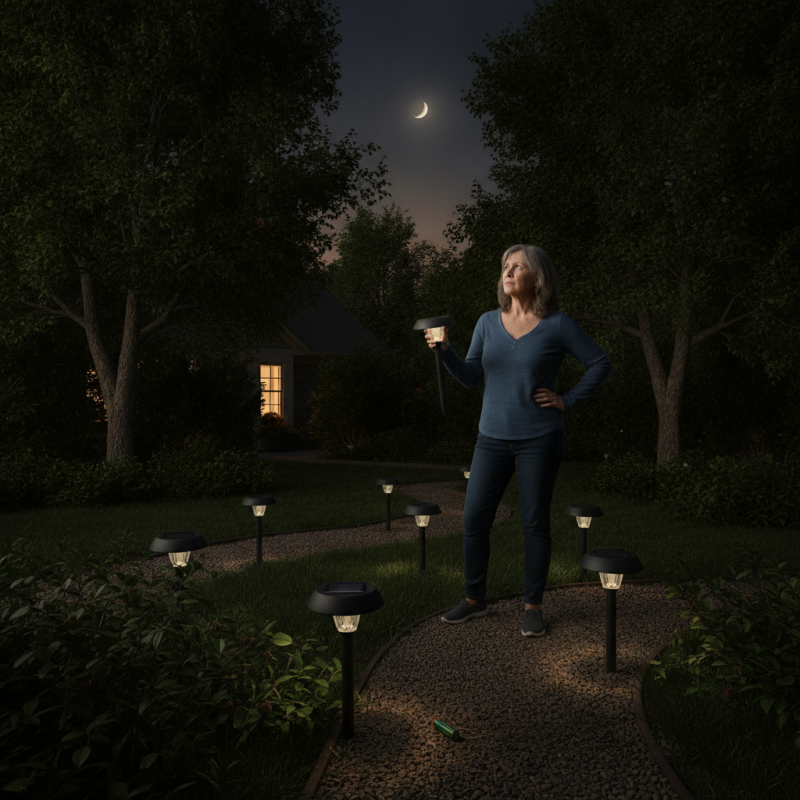
10 Reasons Why Are My Outdoor Solar Lights Not Working at Night?

Common Causes of Outdoor Solar Lights Failing to Work at Night

Outdoor solar lights offer convenience and sustainability, but they can sometimes fail to function at night. One common issue is inadequate sunlight exposure. If the solar panel is shaded by trees or buildings, it won’t charge efficiently. Regularly assess the area around your lights to ensure they receive enough direct sunlight during the day.

Another factor could be dirt or debris covering the solar panel. Dust, leaves, and even snow can block sunlight. Cleaning the panels helps improve their ability to gather energy. Consider setting a reminder to check and clean these fixtures regularly. Battery problems often impede performance as well. Old or defective batteries may not hold a charge, resulting in dim or non-operational lights. Replacing batteries can bring your lights back to life.

Lastly, extreme weather conditions can affect solar lights. High temperatures can diminish battery life, while freezing temperatures may cause issues with the solar cells. If you live in a climate with severe weather, consider taking your lights inside during harsh conditions. Identifying these common causes can lead to better performance from your outdoor solar lights. Regular maintenance and awareness of environmental factors are key in overcoming functionality issues.

10 Common Causes of Outdoor Solar Lights Failing to Work at Night

Understanding the Role of Solar Panels in Outdoor Lighting Performance

Solar panels are crucial for outdoor lighting systems. They capture sunlight during the day, converting it into energy. This stored energy powers the lights at night. If the panels are dirty or shaded, they may not charge effectively. Regular cleaning is essential. Dust, debris, or even leaves can block sunlight.

Additionally, the location of solar lights matters. If placed in shaded areas, they will not perform well. Look for spots that get direct sunlight for most of the day. Seasonal changes can also impact performance. In winter, shorter days mean less charging time.

Battery quality plays a role too. Cheap batteries may fail sooner than expected. Understanding your system's components can help you troubleshoot issues effectively. Consider checking for corrosion on connections as well. Each factor contributes to overall performance. An ongoing reflection on setup and maintenance will enhance reliability.

10 Reasons Why Are My Outdoor Solar Lights Not Working at Night?

Issue Description Solution
Insufficient Sunlight The solar panel didn't receive enough sunlight during the day. Relocate the solar lights to a sunnier location.
Dirty Solar Panels Dirt or debris covering the solar panel. Clean the solar panels with a soft cloth.
Battery Issues Batteries may be dead or not holding charge. Replace the batteries with new ones.
Faulty Fixtures The light fixtures may be damaged or malfunctioning. Inspect and replace any damaged fixtures.
Incorrect Placement Positioned in shade or too far from sunlight. Relocate to a better position for sunlight exposure.
Weather Conditions Extended cloudy days or winter season. Allow more charging days during brighter seasons.
Longer Use Time Using the lights longer than battery life allows. Limit the usage time or look for higher capacity batteries.
Time Settings Lights may have a timer that isn’t set correctly. Check and adjust timer settings.
Aging Components Older lights that lose performance over time. Consider upgrading to newer models with better technology.

The Impact of Weather Conditions on Solar Light Functionality

Weather conditions significantly impact the functionality of outdoor solar lights. Research shows that solar lights rely on sunlight for charging. When cloudy or rainy weather persists, these lights may not receive enough energy. According to the Solar Energy Industries Association, solar efficiency can drop by up to 30% on cloudy days. This reduced efficiency leads to dim or non-functioning lights at night.

Temperature fluctuations also play a crucial role. Many solar lights operate optimally between 60°F and 80°F. During extreme cold or heat, battery performance diminishes. A study published in the Journal of Renewable Energy highlights that batteries lose about 20% of their capacity in freezing temperatures. This decline affects the lights' ability to shine brightly, causing frustration for users.

Additionally, dirt and debris can block solar panels. Regular maintenance is often overlooked. Reports indicate that neglecting to clean solar panels can cause a 50% reduction in efficiency. As a result, outdoor solar lights may flicker or dim when you need them most, leading to missed opportunities for illumination and security. It is essential to regularly inspect and maintain your solar lighting systems to ensure maximum performance.

Battery Issues: How They Affect Your Solar Lights at Night

Battery issues are a common culprit when outdoor solar lights fail to operate at night. Solar lights rely on batteries to store energy from sunlight during the day. If the batteries are old or damaged, they may not hold a charge effectively. This could lead to dim lighting or, in some cases, the lights might not turn on at all. Regularly checking the condition of your batteries can prevent unexpected outages.

Temperature fluctuations can also impact battery performance. Extreme heat or cold can reduce a battery's lifespan. It's essential to monitor the environment where your solar lights are installed. If the lights are exposed to harsh weather without protection, the batteries may suffer. In addition, inadequate sunlight exposure during the day can lead to poor charging. Observing how much sun your solar lights receive can reveal potential issues.

Keep in mind that even high-quality solar lights can face these challenges. As the seasons change, so does the efficiency of the batteries. Reflecting on your solar lights’ performance can help you adjust their positioning for optimal sunlight exposure. It's a continuous process of monitoring and maintaining to ensure your outdoor solar lights shine brightly at night.

Maintenance Tips to Ensure Your Solar Lights Operate Properly

One common issue with outdoor solar lights not working at night is inadequate maintenance. Solar lights typically rely on solar panels to gather sunlight during the day. Regularly cleaning these panels is essential. Dust, dirt, or debris can block sunlight, reducing efficiency. Studies suggest that even a thin layer of dirt can cut light absorption by 30%.


Battery health is another critical factor. Most solar lights use rechargeable batteries that typically last about 1-3 years. Over time, they lose their ability to hold a charge. A simple test is to remove and inspect the battery. If it shows signs of corrosion or damage, replacement may be necessary. Ensuring the lights are correctly positioned can also enhance their performance. Ideally, they should receive direct sunlight for at least six hours daily.


Additionally, check the wiring and connections. Over time, wires can become loose or corroded. This can lead to inconsistent performance. Addressing these small yet crucial details can significantly improve the reliability of your solar lights. Regular checks can prevent nighttime failures and ensure optimal functionality.

FAQS

: Why do my outdoor solar lights not work at night?

: One reason may be inadequate sunlight exposure during the day.

How can I improve the charging of my solar lights?

Ensure the solar panels are not shaded by trees or buildings.

What should I do if dirt covers my solar panel?

Regularly clean the panels to maintain their ability to gather sunlight.

How can battery issues affect solar lights?

Old or damaged batteries may not hold a charge, leading to dim lights.

What is the average lifespan of solar light batteries?

Most rechargeable batteries last about 1 to 3 years before needing replacement.

Can extreme weather impact the efficiency of solar lights?

Yes, high or freezing temperatures can affect battery life and solar cells.

How often should I check my solar lights for maintenance?

Regular checks should be done, ideally every few months or after storms.

How much dirt can block sunlight absorption?

Even a thin layer of dirt can reduce light absorption by about 30%.

What should I do about loose or corroded wiring?

Inspect the wiring periodically and tighten or replace corroded parts as needed.

How can I position my solar lights for better performance?

Position them to receive at least six hours of direct sunlight each day.

Conclusion

When dealing with the issue of "why are my outdoor solar lights not working at night," there are several common causes to consider. First, the solar panels play a crucial role in harnessing sunlight; if they are dirty or obstructed, their performance can degrade significantly. Additionally, weather conditions can impact the functionality of solar lights, with prolonged periods of gloomy weather resulting in inadequate charging.

Battery issues are another key factor, as worn-out or improperly functioning batteries can prevent lights from illuminating after dark. To mitigate these problems, regular maintenance is essential. Cleaning the solar panels, checking battery health, and ensuring the lights are positioned correctly to receive maximum sunlight can greatly enhance their performance. Understanding these elements can help you troubleshoot and solve issues related to your outdoor solar lights.

Liam

Liam

Liam is a dedicated marketing professional with a profound expertise in the industry, where he excels at highlighting the unique advantages of our core products. With a keen understanding of market trends and consumer needs, Liam frequently updates our company’s professional blog, providing......