10 Best Reasons Why Are My LED Ceiling Lights Flickering?

Time:2026-07-26 Author:Sienna
0%

LED ceiling lights are a popular choice for many homes. However, you may find yourself wondering, "why are my LED ceiling lights flickering?" This issue can be frustrating and puzzling. Flickering lights not only affect ambiance but can also indicate underlying problems.

Several factors can cause flickering. Inconsistent voltage, loose connections, or incompatible dimmer switches are just a few possibilities. Homeowners may not realize that even minor wiring issues can lead to significant disruptions. Moreover, fluctuations in the power supply can influence how your LED lights operate.

Understanding the reasons behind flickering lights requires careful inspection. It’s essential to evaluate your lighting system's compatibility and functionality. Ignoring the issue may lead to further complications or even safety hazards. Identifying the root cause will help ensure you enjoy a stable lighting environment.
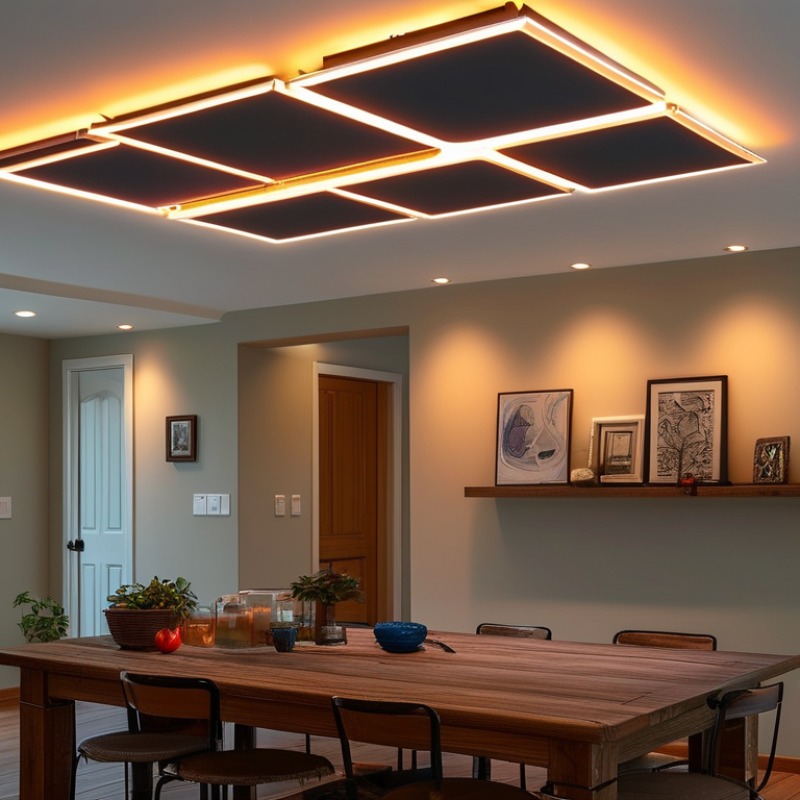
10 Best Reasons Why Are My LED Ceiling Lights Flickering?

Common Causes of LED Ceiling Lights Flickering

Flickering LED ceiling lights can disrupt your daily activities and cause frustration. One common reason for this issue is incompatible dimmers. Many older dimming systems cannot handle LED technology efficiently, leading to inconsistent lighting. According to a report by the Lighting Research Center, nearly 40% of users experience flickering due to these mismatches.

Another frequent culprit is voltage fluctuations. Electrical systems that are overloaded can cause LED lights to flicker. This instability in voltage can be a serious concern for homeowners. Data from the National Electrical Manufacturers Association indicates that a consistent voltage supply is crucial for optimal LED performance. A flickering light often signals that a circuit may be struggling to maintain stability.

Worn-out fixtures or poor connections also contribute to flickering. Loose wiring or connectivity issues can lead to intermittent power supply, causing LEDs to buzz or flicker. The Electric Power Research Institute highlights that approximately 30% of flickering cases stem from such electrical faults. Addressing these issues requires a careful inspection of your lighting system and possibly consulting an electrician for a thorough assessment.

Impact of Incompatible Dimmer Switches on LED Performance

Incompatible dimmer switches can greatly impact LED performance, often leading to flickering. A study from the U.S. Department of Energy shows that 30% of LED users experience some flickering due to these incompatibilities. Many homeowners overlook the significance of pairing the right maintenance-free LED lights with compatible dimmers.

Traditional dimmer switches were designed for incandescent bulbs. Their technology doesn’t mesh well with LED drivers. This mismatch can lead to uneven power delivery, causing flickering and a shorter lifespan for LEDs. According to industry data, dimmers can reduce the brightness control range by 70% when incompatible.

Installation of a compatible dimmer may not be the first thought when upgrading lighting. Users might not realize that even the slightest mismatch can lead to unnecessary stress on the LED circuit. Regular testing of dimmers and innovative LED products can help avoid these issues, ensuring seamless operation. Balancing performance and functionality requires attention to detail.

Voltage Fluctuations and Their Effect on LED Lighting

LED ceiling lights flickering can be a frustrating experience. One of the primary culprits is voltage fluctuations. These fluctuations can stem from various sources, such as overloading a circuit or inconsistent power supply. When the voltage varies, LEDs may flicker, leading to an irritating environment.

Keeping track of your home’s overall electrical system is essential. You might want to check the circuit load. If many devices run simultaneously, it can strain the electrical circuit. Consider turning off some devices to see if the flickering reduces. This simple action might alleviate the problem.

When it comes to flickering, not all bulbs react the same way. Quality of bulbs varies significantly. Choose well-rated LED lights that resist voltage changes better than cheaper alternatives. Additionally, if flickering persists, consider consulting a professional electrician. They can diagnose issues with wiring or grounding that might not be immediately obvious.

Overheating Issues in LED Fixtures Leading to Flickering

LED ceiling lights are known for their energy efficiency and long life. However, flickering can be a common issue, often caused by overheating in LED fixtures. When the internal components heat up excessively, it can lead to unstable power flow, causing the lights to flicker. This problem might seem minor, but it can signal a bigger issue within your lighting system.

To mitigate overheating, ensure that your LED fixtures have adequate ventilation. Proper airflow helps dissipate heat. Avoid placing fixtures in enclosed spaces without proper cooling. Additionally, use compatible dimmers if your LED lights are dimmable. Incompatible dimmers can cause fluctuations in power, leading to flickering.

Remember, maintaining the integrity of your wiring is crucial. Damaged or loose connections can also contribute to overheating and flickering. Regularly check your setup to maintain a reliable lighting experience. If flickering persists, consulting a professional may provide insights. Addressing these concerns early can enhance your lighting's usability and prolong the lifespan of your fixtures.

Age and Quality of LED Bulbs: How They Influence Stability

The age and quality of LED bulbs play a significant role in their stability and performance. Over time, even high-quality LED bulbs can begin to flicker. This flickering may indicate that the internal components, such as the driver, are wearing out. Older bulbs may not provide consistent light output due to wear and degradation.

Quality also matters greatly. Cheaper bulbs often lack the necessary components for stable performance. These bulbs may have inferior drivers, which can lead to voltage fluctuations. Such issues can cause noticeable flickering. Furthermore, they might not be built for longevity. This raises the concern of regularly replacing them, increasing maintenance costs over time.

People often overlook the importance of choosing energy-efficient options. Selecting high-quality LED bulbs with better thermal management can improve stability. Analyzing the lifespan rating can provide insights into how long the bulbs will perform optimally. Investing in quality lighting may be more cost-effective in the long run, even if the initial expense is higher. Recognizing these aspects can help in making informed lighting choices.

FAQS

: What causes flickering in LED ceiling lights?

: Flickering often occurs due to voltage fluctuations. This can result from overloading circuits or inconsistent power supply.

How can I reduce flickering in my LED lights?

Check your circuit load. Turn off some devices to lessen the strain on the electrical system.

Do all LED bulbs respond the same to voltage changes?

No, quality varies. Well-rated LED lights resist voltage fluctuations better than cheap options.

What happens to LED bulbs as they age?

Older bulbs may flicker due to internal component wear, affecting light stability and output.

Should I consider the quality of LED bulbs?

Yes, cheaper bulbs can cause more flickering. They often lack good components for stable performance.

Is there a long-term cost-effectiveness in choosing quality LED bulbs?

Investing in high-quality bulbs can reduce maintenance costs. They last longer and perform better over time.

How can thermal management affect LED bulb performance?

Better thermal management in quality bulbs leads to improved stability and fewer flickering issues.

When should I consult a professional regarding flickering lights?

If flickering persists after troubleshooting, a professional can check wiring or grounding issues.

What should I consider when buying LED bulbs?

Look for lifespan ratings and energy efficiency. These factors contribute to better long-term performance.

Are there risks in choosing low-quality LED bulbs?

Yes, lower quality may result in frequent replacements and inconsistent light performance, wasteful in the long run.

Conclusion

If you're wondering why are my LED ceiling lights flickering, there are several common causes to consider. One of the primary issues is the use of incompatible dimmer switches, which can disrupt the smooth performance of LED lights. Additionally, voltage fluctuations in the electrical system can lead to inconsistent lighting, resulting in flickering effects. Overheating in LED fixtures is another factor that may compromise performance, causing lights to flicker intermittently.

Moreover, the age and quality of your LED bulbs play a significant role in their stability. Older or lower-quality bulbs may not perform as reliably, leading to flickering. By addressing these potential issues, you can enhance the performance of your LED ceiling lights and enjoy a more consistent lighting experience in your space.

Sienna

Sienna

Sienna is a skilled marketing professional with a deep expertise in our company’s core products and services. With a passion for innovation and detail, she plays a pivotal role in crafting insightful blog posts that not only highlight the unique features of our offerings but also provide valuable......