How to Layer Lighting in a Small Living Room Effectively?

Time:2026-08-20 Author:Madeline
0%

Creating a cozy and functional small living room requires careful consideration of lighting. Understanding how to layer lighting in a small living room is crucial for enhancing both its aesthetic appeal and functionality. Layered lighting combines ambient, task, and accent lighting. This approach transforms the atmosphere and makes the space feel larger.

Many homeowners struggle with lighting placement and intensity. A common mistake is relying solely on ceiling fixtures. However, savvy use of floor lamps and wall sconces can add dimension. A well-placed table lamp also provides necessary illumination for reading. Consider using dimmable lights for flexibility, adapting to various activities and moods.

It's essential to reflect on your living space. Are the lighting choices enhancing or detracting from your room's design? Experiment with different layers. Try to balance the light in a way that feels natural. This process may take time, but striving for improvement will lead to a more inviting living area. Through thoughtful layering, any small living room can shine.
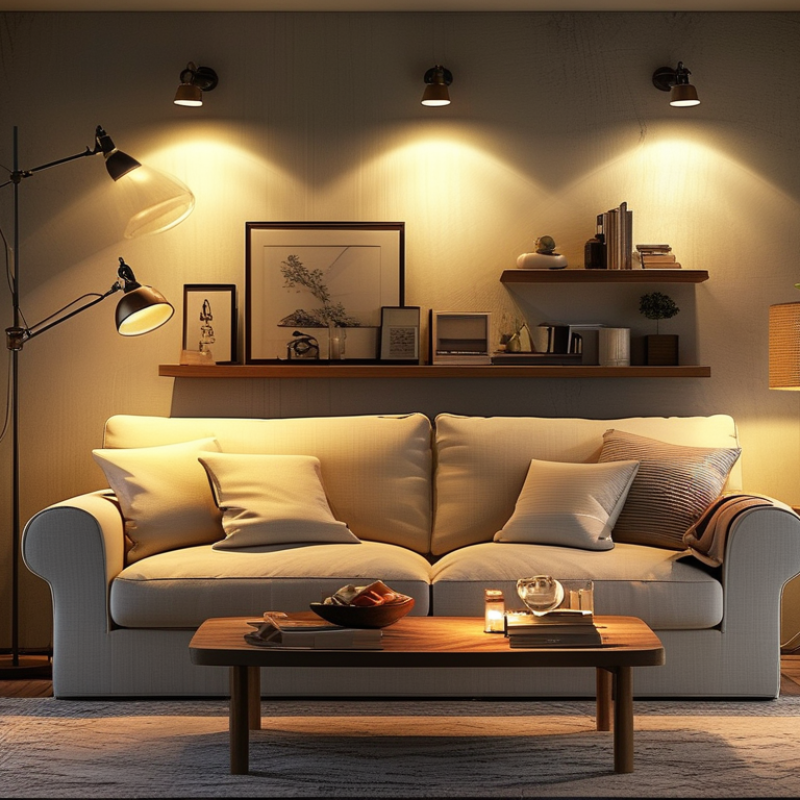
How to Layer Lighting in a Small Living Room Effectively?

Understanding the Importance of Layered Lighting in Small Spaces

Layered lighting is crucial in small living rooms. It enhances space and creates different moods. Combining ambient, task, and accent lighting is key. Each layer serves a purpose, enriching the overall experience of the room.

Ambient lighting provides general illumination. It sets the stage for your living area. Think about ceiling fixtures or wall sconces. Task lighting is essential for specific tasks. A floor lamp beside your reading chair can help. Accent lighting highlights artwork or architectural features. You might use a spotlight to draw attention to a beautiful painting.

While layering is effective, it’s also easy to overdo it. Too many fixtures can create clutter. It’s important to find a balance that suits your style. Experimenting with different arrangements may reveal the best setup. Reflecting on how each layer interacts is key. Each choice impacts the overall feel of the space.

Identifying the Three Key Types of Lighting for Effective Layering

When layering lighting in a small living room, understanding the three key types is crucial. Ambient lighting provides overall illumination. It sets the mood and creates a welcoming environment. Use soft, warm bulbs in ceiling fixtures or floor lamps. This gentle glow reduces shadows and enhances the room's comfort. Natural light is also significant. Keep curtains light and airy to maximize sunlight.
Task lighting is another essential layer. It offers focused illumination for activities like reading or working. Desk lamps or wall sconces are great options. Position them strategically to minimize glare and shadows. Consider adjustable pieces for flexibility. They can create a cozy reading nook or bright workspace.
Accent lighting brings depth and character. It highlights artwork or architectural features. Use spotlights or decorative lamps to create visual interest. Experiment with placement for the best effect. Remember that balance is key. Too much light can overwhelm a small room, while too little might make it feel cramped. Finding harmony between these types will enhance your space effectively.

Strategically Placing Ambient, Task, and Accent Lights in Your Living Room

Lighting plays a crucial role in making a small living room feel inviting. To create a warm ambiance, consider using ambient lighting. Soft overhead lights can set the tone without being harsh. Floor lamps or wall sconces placed at various heights add depth. Mix these with textured lampshades for a cozy effect.

Task lighting is essential for functional areas. Use table lamps near reading spots or desks. Adjustable wall-mounted lights can effectively illuminate your workspace. A well-placed pendant light over a coffee table creates a focal point. Think about light placement carefully to avoid shadows.

Accent lighting helps to highlight architectural features or art. Use spotlights to draw attention to pictures or unique décor. String lights can add charm without overwhelming the space. However, be cautious not to overcrowd the room with too many fixtures. Reflect on how each light affects the overall vibe of your living area.

Lighting Layering in a Small Living Room

Choosing the Right Fixtures and Bulbs to Enhance Small Living Room Lighting

Choosing the right fixtures and bulbs can transform your small living room. Start with layered lighting. This means combining ambient, task, and accent lighting. For ambient light, a ceiling fixture or soft wall sconces create a warm glow. However, many overlook the importance of dimmers. Dimmers add flexibility, allowing you to adjust the brightness suited to the mood or time of day.

Task lighting is essential for reading or working. A stylish floor lamp or a table lamp can provide focused light where needed. Consider adjustable fixtures for versatility. Not everyone takes the time to evaluate bulb types. Warm LED bulbs enhance the space's coziness, while cool tones might feel harsh. The choice of color temperature can profoundly affect the room's atmosphere.

Accent lighting adds depth and draws attention to artwork or special decor. Simple picture lights or wall-mounted fixtures work well. However, be aware of overdoing it. Too much clutter in your lighting can create visual chaos. Remember that shadows can also enhance the room’s character, but they should not overwhelm the space. Thoughtful placement and selection of lighting fixtures can significantly enhance your small living room’s feel.

Tips for Adjusting Brightness and Color Temperature for a Cozy Atmosphere

When creating a cozy atmosphere in a small living room, adjusting brightness and color temperature is key. Start with warm white bulbs. They provide a soft glow. A temperature around 2700K is ideal. This mimics candlelight. It creates an inviting space. Consider mixing light sources, too. Overhead fixtures, table lamps, and wall sconces can enhance warmth.

Don’t overlook the value of dimmers. They allow for flexibility based on your mood. Bright lights can energize, while softer settings can relax. Each corner of the room should have its own light. Layering light adds depth to your space. Experiment with task lighting at varied heights. A floor lamp beside a low couch can draw attention.

Don’t be afraid to reflect on your choices. Sometimes, the ideal brightness might feel too harsh. Colors may not appear as expected without proper lighting. Adjust as needed. Test different setups and observe the impact. A well-lit room evolves. Achieving the right balance can take time. It’s a process of discovery for your unique space.

How to Layer Lighting in a Small Living Room Effectively?

Lighting Type Description Brightness (Lumens) Color Temperature (Kelvin) Ideal Placement
Ambient Lighting General illumination for the entire room 1000-3000 3000-4000 Ceiling fixture or recessed lights
Task Lighting Focused light for specific activities 500-1000 3000-5000 Table lamps or under-cabinet lights
Accent Lighting Highlight decorative features or artwork 300-800 2700-3000 Wall sconces or spotlights
Decorative Lighting Adds character but not primary light source Varies 2700-3000 Chandeliers or creative light fixtures

FAQS

: What is layered lighting?

: Layered lighting combines different types of lighting to enhance a room's mood and functionality.

Why is ambient lighting important?

Ambient lighting provides overall illumination, setting the mood and welcoming atmosphere in small spaces.

How does task lighting help?

Task lighting focuses on specific activities, like reading or working, improving visibility and reducing strain.

What is accent lighting used for?

Accent lighting highlights artwork or architectural features, adding depth and visual interest to the room.

Can too much lighting be an issue?

Yes, excessive fixtures can create clutter. It's crucial to maintain balance to avoid overwhelming the space.

How can I maximize natural light?

Keep curtains light and airy to let in as much sunlight as possible. This enhances the overall brightness.

What should I consider when arranging lighting?

Reflect on how each layer interacts. Placement can significantly impact the room's feel and comfort level.

Are there flexible options for task lighting?

Yes, adjustable lamps can cater to various tasks and improve comfort in the workspace or reading nook.

How can I find the right balance in lighting?

Experiment with different arrangements and types. Observe how each lighting layer contributes to the space's harmony.

What should I avoid when layering lighting?

Avoid overdoing it. Too many light sources can confuse the space rather than enhance it.

Conclusion

In the article "How to Layer Lighting in a Small Living Room Effectively," the focus is on the crucial role of layered lighting in optimizing small spaces. Understanding the significance of combining different lighting types is essential, which includes ambient, task, and accent lighting. These three key types of lighting work together to create a balanced and functional atmosphere in a compact living area.

Strategically placing these lights enhances the overall layout of the room. Choosing the right fixtures and bulbs is equally important for maximizing the effectiveness of your lighting scheme. Additionally, the article offers tips for adjusting brightness and color temperature, which can further contribute to achieving a cozy and inviting environment. By following these principles, you can learn how to layer lighting in a small living room to make it feel more spacious and comfortable.

Madeline

Madeline

Madeline is a dedicated marketing professional with a wealth of expertise in our company's core offerings. With a keen understanding of the industry, she brings a unique perspective to her role, consistently delivering high-quality content that highlights the superior aspects of our products. As......