Creating an inviting atmosphere in a small living room can be challenging. However, the right lighting makes a significant difference. Leading interior designer, Jane Smith, emphasizes, “Layering lighting is key to maximizing any space.”
Understanding how to layer lighting in a small living room can transform its appearance. Start with ambient lighting, such as ceiling fixtures. This provides overall illumination. Then, introduce task lighting with table or floor lamps. They create focused beams for reading or other activities. Accent lighting, like wall sconces or decorative fixtures, adds character and warmth.
Still, many homeowners struggle with balancing these layers. A common mistake is choosing overly bright fixtures that dwarf the room. It's essential to use a mix of light sources for harmony. Remember, a well-lit space enhances comfort while maintaining functionality. Effective layering can redefine small living areas.
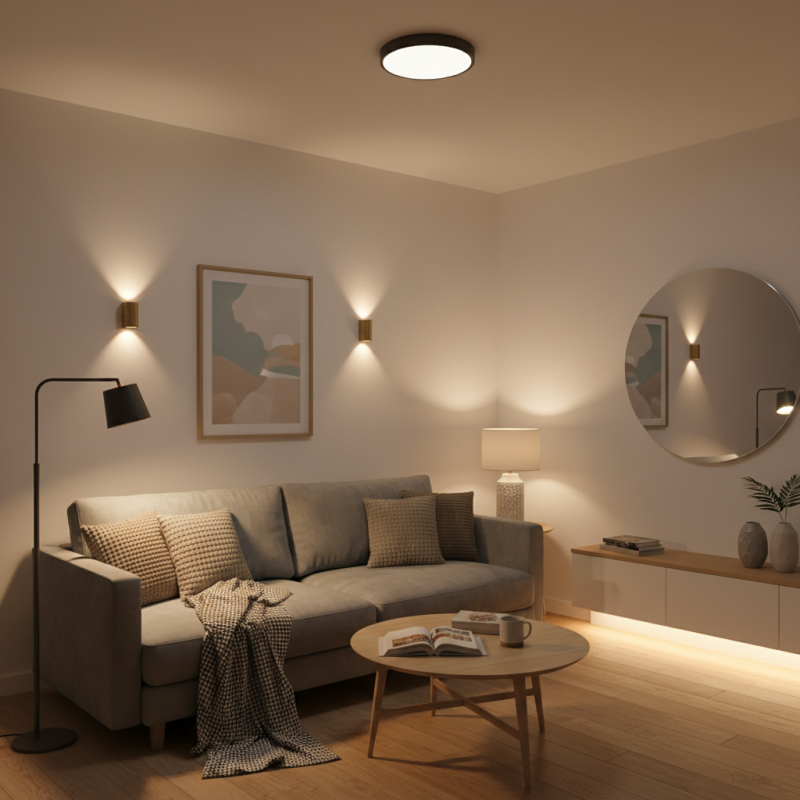
Layering Lighting: Understanding Different Types for Small Living Rooms
Layering lighting in small living rooms can transform a space. It's not just about brightness. Effective lighting creates an atmosphere, defines areas, and enhances the room's dimensions. Different types of lighting play distinct roles. Ambient lighting provides the foundational glow, while task lighting focuses on specific activities like reading or working. Accent lighting adds drama to artwork or architectural features.
When choosing lighting, think about the room's layout. Overhead fixtures can feel overwhelming. Instead, mix table lamps, floor lamps, and wall sconces. Using warm bulbs can create a cozy feel. Layered lighting not only increases functionality but also adds depth. However, be mindful of shadows. Too many light sources can create confusion. Select each piece with intention.
Experimenting can lead to mistakes. You might find a combination that feels cluttered or harsh. Reflection is key in design. Assess the light's impact on your space at different times of the day. It can shift the room's feel entirely. Strive for balance, and embrace the creative process of layering light.
The Importance of Lighting in Small Space Design
Lighting plays a crucial role in small space design. A well-thought-out lighting plan can create an illusion of more space. According to the American Lighting Association, layered lighting effectively enhances the perception of space. Properly combined ambient, task, and accent lighting can make a small living room feel larger and more inviting.
Studies show that well-lit areas can appear up to 30% bigger. This means that using various light sources can significantly change the room's dynamics. Consider adding floor lamps and wall sconces to create depth. Reflective surfaces can amplify the light, making the room feel airy. Focused lights on artwork or mirrors can draw attention, creating focal points while adding dimension.
It's essential to reflect on the balance of lighting in small spaces. Overly bright lighting can feel harsh. On the flip side, too little light can create a cramped atmosphere. Achieving the right mix requires experimentation. Homeowners should assess their living spaces and test different arrangements. By prioritizing lighting, even the smallest rooms can embody a sense of openness and comfort.
Techniques for Layering Light: Ambient, Task, and Accent
When designing a small living room, lighting plays a crucial role in creating a cozy and inviting atmosphere. Layering light effectively can enhance the space while adding depth and functionality. Three key types of lighting to consider are ambient, task, and accent.
Ambient lighting serves as the room's primary source of illumination. Choose warm, soft bulbs to create a welcoming feel. Ceiling fixtures or wall sconces can provide general light, but can often make a space feel flat. Striking a balance is essential.
Task lighting focuses on specific areas and activities, such as reading or working. A stylish floor lamp or a table lamp can provide targeted light where it’s needed most. Consider adjusting the brightness to avoid harsh lighting, which can feel overwhelming in smaller spaces.
Accent lighting adds drama and highlights architectural features or artwork. Wall-mounted fixtures or small spotlights can draw attention to a favorite piece without overpowering the room. Avoid overcrowding with too many light sources; this can create a chaotic look.
Tips:
1. Mix light temperatures for a dynamic feel.
2. Use dimmers to control brightness throughout the day.
3. Reflective surfaces, like mirrors, can amplify light.
Strategic Placement of Lighting Fixtures to Optimize Space
In small living rooms, strategic placement of lighting fixtures can dramatically maximize space. A well-designed lighting plan creates a sense of openness. According to the American Society of Interior Designers, nearly 70% of designers emphasize the importance of layered lighting. This includes ambient, task, and accent lighting working together.
Consider using floor lamps to brighten dark corners. Wall sconces can free up valuable surface space. Space-saving pendant lights over a coffee table can also enhance the room's dimensions. These choices not only illuminate but also add character. A 2022 survey showed that well-placed lighting makes rooms appear 20% larger. It helps to draw attention to specific areas.
However, be wary of common pitfalls. Overly bright fixtures can create harsh shadows. Dim spaces may feel cramped or uninviting. Use a dimmer switch for versatility. This allows you to adjust the light's intensity based on your mood or activity. Thoughtful layering and placement make all the difference in small living spaces, cultivating a sense of comfort and relaxation.
Layering Lighting Ideas for Small Living Rooms
Choosing the Right Bulbs and Fixtures for Small Living Rooms
Lighting plays a crucial role in small living rooms. Choosing the right bulbs and fixtures can create a sense of spaciousness. According to a study by the American Lighting Association, proper lighting can improve mood and functionality in compact spaces. For small rooms, layered lighting is essential. Incorporating ambient, task, and accent lighting can effectively highlight different areas.
Consider using LED bulbs. They are energy-efficient and produce less heat. Soft white bulbs create a cozy atmosphere, while daylight bulbs are ideal for tasks. Fixture placement matters; utilize wall sconces or pendant lights to free up floor space. Floor lamps can add character without crowding the room.
Tips: Use dimmers for flexibility. They allow adjustment based on time and mood. Mirrors can amplify light and make a room feel larger. Pay attention to color temperature. Warmer temperatures evoke comfort, while cooler shades can enhance focus. Experiment with different configurations until you find what works for your space. Not everything will be perfect, but the right lighting can transform your small living room into a welcoming haven.
Layering Lighting Ideas for Small Living Rooms to Maximize Space
| Lighting Type |
Description |
Best Use Case |
Recommended Bulb Type |
| Ambient Lighting |
General illumination that provides an even light throughout the room. |
Setting the overall mood; suitable for small spaces. |
LED Bulbs (Soft White) |
| Task Lighting |
Direct lighting focused on specific tasks like reading or cooking. |
For activities requiring focused light, like reading or working. |
LED Desk Lamps |
| Accent Lighting |
Lighting used to highlight art or architectural features. |
Highlighting decor elements or features of interest in the room. |
LED Spotlights |
| Decorative Lighting |
Creative fixtures that serve a dual purpose of lighting and decor. |
Adding character; perfect for small spaces with personality. |
Vintage Edison Bulbs |
Conclusion
In designing a small living room, understanding how to layer lighting is crucial for maximizing both functionality and aesthetic appeal. Layering lighting involves using a combination of ambient, task, and accent lighting to create a well-balanced illumination that enhances the space. Ambient lighting serves as the main light source, while task lighting focuses on specific areas for activities like reading or working. Accent lighting adds visual interest and highlights decor elements.
Strategic placement of lighting fixtures is essential to optimize space. Consider using wall sconces or ceiling-mounted fixtures to save floor area while providing adequate illumination. Additionally, selecting the right bulbs and fixtures can significantly impact the overall feel of a small living room, creating a warm and inviting environment. By following these techniques, homeowners can effectively learn how to layer lighting in a small living room, transforming the area into a more spacious and welcoming retreat.

 Silvan Lighting