Smart bulbs are revolutionizing the way we think about energy consumption. According to Dr. Emily Johnson, an expert in sustainable energy solutions, “Smart bulbs not only save you money, but they also contribute to a greener future.” This statement encapsulates the essence of the question: what are the energy saving benefits of smart bulbs?
The technology behind smart bulbs enables them to use significantly less energy than traditional bulbs. This efficiency is particularly valuable in both residential and commercial settings. By using LED technology and smart sensors, these bulbs adapt to usage patterns. They can dim or switch off when not needed, which prevents unnecessary energy waste.
Moreover, the integration of smart technology allows for remote control and scheduling. Users can easily manage their lighting through smartphone apps. This convenience encourages more conscious energy use. However, challenges remain, such as the upfront cost and the complexity of installation. Despite these obstacles, the long-term savings and environmental impact present a compelling case for embracing smart bulbs. The question, "what are the energy saving benefits of smart bulbs," leads to significant insights about our future energy landscape.
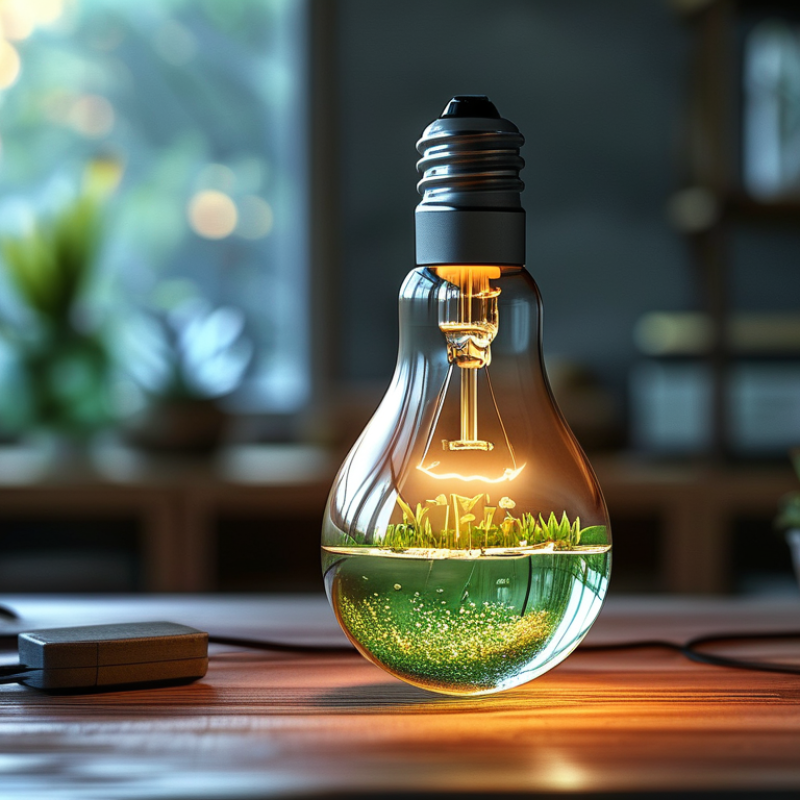
Understanding Smart Bulbs and Their Functionality
Smart bulbs represent a shift in how we illuminate our spaces. Unlike traditional bulbs, smart bulbs use LED technology, which offers significant energy savings. According to a report from the U.S. Department of Energy, LED bulbs last at least 25 times longer than incandescent bulbs and use up to 80% less energy. This durability leads to lower maintenance and replacement costs over time.
These bulbs can also be controlled remotely. Mobile apps allow you to manage lighting schedules efficiently. A study by the Lawrence Berkeley National Laboratory indicated that smart lighting systems can reduce energy usage by 30% or more. This efficiency is especially beneficial in homes with varying occupancy patterns. However, some users may find the initial setup challenging, reflecting a need for more user-friendly interfaces.
Smart bulbs can change colors, enhancing ambiance. This versatility is appealing, yet it can lead to overuse, showcasing a need for moderation. Proper usage can enhance comfort and productivity. But it's essential to understand when and how to use these features effectively. Balancing energy-saving benefits with mindful use can lead to both sustainability and comfort in your home.
Comparing Energy Consumption: Smart Bulbs vs. Traditional Bulbs
Smart bulbs offer significant energy savings compared to traditional incandescent bulbs. Traditional bulbs typically convert only about 10% of energy into light. The rest becomes heat. In contrast, smart bulbs can convert around 80% of energy into light. This difference leads to notable savings on electricity bills. For instance, switching to smart bulbs can save homeowners up to 75% in energy costs over time.
Furthermore, smart bulbs often have longer lifespans. While a standard bulb lasts around 1,000 hours, smart bulbs can last up to 25,000 hours or more. This extended life means fewer replacements and reduced waste. However, many people hesitate to switch due to the higher upfront costs of smart bulbs. This hesitation often overlooks the long-term savings they provide. Not everyone fully understands their benefits.
Adopting smart lighting technology isn’t without challenges. Compatibility issues with existing fixtures can arise. Additionally, some people may find the various features overwhelming. Ease of use varies between products. It’s essential to consider these factors when transitioning. Smart bulbs certainly improve energy efficiency. Their potential to reduce energy consumption requires thoughtful consideration.
What are the Energy Saving Benefits of Smart Bulbs? - Comparing Energy Consumption: Smart Bulbs vs. Traditional Bulbs
| Bulb Type |
Wattage |
Lifespan (hours) |
Annual Energy Cost ($) |
Annual Energy Savings Compared to Traditional ($) |
| Smart LED |
10 |
25,000 |
12.00 |
45.00 |
| Traditional Incandescent |
60 |
1,000 |
60.00 |
0.00 |
| Compact Fluorescent |
13 |
10,000 |
15.00 |
30.00 |
| Smart RGB LED |
8 |
20,000 |
9.60 |
48.40 |
Exploring the Long-Term Cost Savings of Using Smart Bulbs
Smart bulbs offer significant long-term cost savings, making them an appealing choice for many households. They consume up to 80% less energy than traditional incandescent bulbs. This reduction leads to lower electricity bills over time. For example, replacing fifteen 60-watt bulbs with smart LED bulbs can save you around $150 annually.
In addition to lower energy usage, smart bulbs last longer than standard bulbs, typically around 15,000 hours. This longevity means fewer replacements, cutting further costs in both purchases and labor. However, the initial investment can be higher, which may deter some consumers. It's essential to weigh this upfront cost against the savings realized over the bulb's lifespan.
Many users have reported a more significant impact than anticipated. They appreciate the convenience of controlling lighting via apps or voice commands. Yet, there remains a learning curve for some. Adapting to new technology can be challenging, and not everyone is comfortable with it. Consequently, while smart bulbs present advantages, it’s important to reflect on personal habits and needs before transitioning.
Energy Saving Benefits of Smart Bulbs
This chart illustrates the annual energy consumption of three types of light bulbs: Incandescent, Compact Fluorescent, and Smart Bulbs. Smart bulbs consume significantly less energy compared to traditional incandescent bulbs, showcasing their long-term cost-saving benefits.
Environmental Impact: How Smart Bulbs Contribute to Energy Efficiency
Smart bulbs offer significant environmental benefits. According to the U.S. Department of Energy, LED bulbs use at least 75% less energy than traditional incandescent bulbs. They last up to 25 times longer. This longevity reduces waste, impacting landfills positively. The energy saved can lead to lower greenhouse gas emissions. A significant shift to smart lighting can considerably minimize our carbon footprint.
Research from the Energy Information Administration suggests that residential lighting accounts for 8-10% of household energy consumption. Transitioning to smart bulbs, which often have energy-efficient features, could reduce this figure significantly. By adjusting brightness or using timers, households can lower energy use. However, the initial cost of smart bulbs may deter some consumers. This presents a challenge in widespread adoption. Education on long-term savings is crucial for consumer acceptance.
Smart bulbs also offer convenience. They can be integrated into home automation systems. This integration allows users to control lights remotely or set schedules. Such capabilities empower homeowners to maximize energy savings. Yet, there is room for improvement. Not all smart bulbs are created equal; differences in performance can lead to confusion. Ensuring that consumers are informed about their choices remains essential.
Enhancing Home Automation: Smart Bulbs and Their Role in Energy Management
Smart bulbs have transformed the landscape of home automation. These energy-efficient lighting solutions seamlessly integrate with smart home systems. By adjusting brightness and color, they enhance comfort while minimizing electricity usage. Users can schedule lighting based on their routines, significantly cutting energy costs over time.
The real value of smart bulbs lies in their role in energy management. Connected technology allows for real-time monitoring of energy consumption. Homeowners can identify patterns and make informed decisions about their lighting. Automated settings help avoid energy waste, but some may find it challenging to fully utilize these features. The potential benefits are clear, yet users must invest time to understand their systems.
Moreover, smart bulbs can be easily controlled remotely. This flexibility encourages a more mindful approach to energy use. However, reliance on technology can lead to oversights. For instance, forgetting to turn off lights when leaving home can still occur. Balancing convenience and awareness is crucial for maximizing energy savings.
FAQS
: Smart bulbs are energy-efficient lighting options that often connect to home automation systems.
Smart bulbs can save up to 75% in energy costs over time compared to traditional incandescent bulbs.
The higher upfront cost and potential compatibility issues with existing fixtures can make some hesitant.
Smart bulbs can last up to 25,000 hours, much longer than traditional bulbs, which last around 1,000 hours.
They use 75% less energy and reduce waste, leading to lower greenhouse gas emissions and a smaller carbon footprint.
No, some users may find the features overwhelming. Ease of use varies greatly between different products.
Yes, many smart bulbs can connect to home systems for remote control and scheduling, enhancing convenience.
Understanding long-term savings and the differences in product performance is crucial for making informed choices.
Adjusting brightness levels and using timers can help lower overall energy use with smart lighting.
While smart bulbs save energy, the initial cost and potential complexity can be challenging for some consumers.
Conclusion
Smart bulbs represent a significant advancement in lighting technology, combining functionality with energy efficiency. Understanding smart bulbs and their features reveals how they operate at reduced energy consumption levels compared to traditional bulbs. What are the energy saving benefits of smart bulbs? Primarily, they consume less electricity, leading to long-term cost savings on utility bills. Furthermore, smart bulbs contribute positively to environmental sustainability by reducing overall energy demand, which can decrease carbon footprints.
In addition to these benefits, smart bulbs integrate seamlessly with home automation systems, allowing users to optimize their energy usage patterns. This role in energy management enhances convenience while promoting energy conservation. Overall, switching to smart bulbs is a smart choice for both personal savings and environmental responsibility, demonstrating their importance in modern energy-efficient practices.

 Silvan Lighting