Latest Trends in Creative Lighting Design for 2026 Top Ideas?

Time:2026-06-10 Author:Mason
0%

As we approach 2026, the question arises: what are the latest trends in creative lighting design? This evolving field showcases innovative ideas that redefine spaces and enhance experiences. Designers are increasingly focusing on sustainability, integrating energy-efficient technologies to minimize their environmental impact. Smart lighting systems are also gaining traction, allowing users to customize and control their environments effortlessly.

The use of natural light is being emphasized, with architects exploring ways to merge indoor and outdoor atmospheres. Biophilic design elements are prevalent, aiming to create a harmonious connection between nature and urban life. However, not every project succeeds in capturing this balance.

Another noteworthy trend includes the revival of retro styles, blending vintage aesthetics with modern technology. This fusion adds character to spaces while challenging designers to rethink conventional approaches. There are still gaps in execution and practical application. Critics highlight that some designs may lack functionality, leading to wasted potential. Overall, these trends signal a vibrant future for creative lighting, encouraging experimentation and thoughtful reflection on design principles.
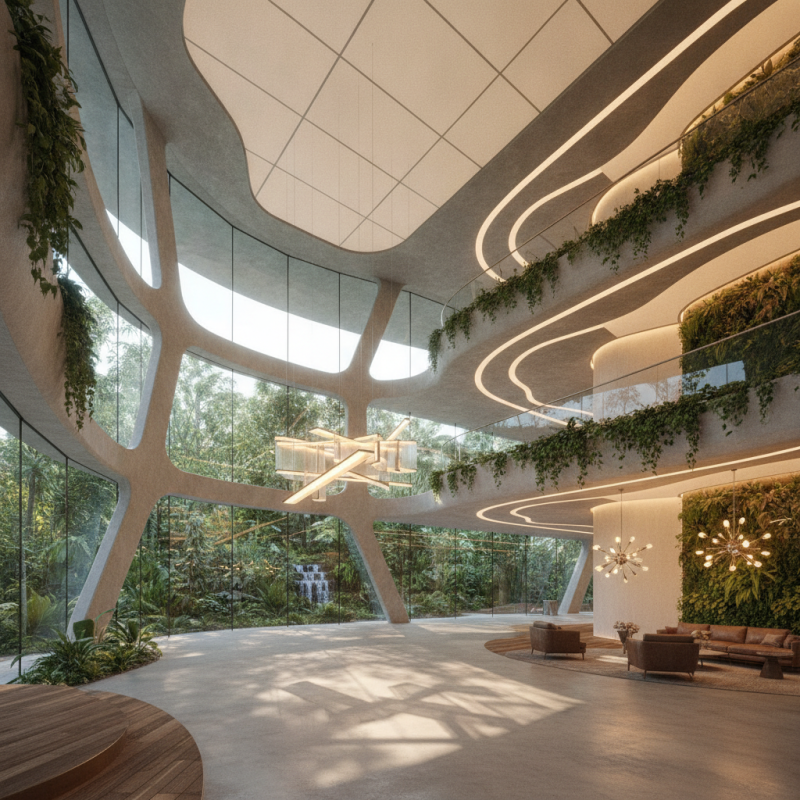
Latest Trends in Creative Lighting Design for 2026 Top Ideas?

Emerging Technologies Shaping Creative Lighting Design in 2026

Emerging technologies are revolutionizing creative lighting design. In 2026, innovations in smart lighting systems will dominate the industry. According to a report by Market Research Future, the smart lighting market is projected to reach $110 billion by 2026. This growth indicates a shift towards greater integration of automation and energy efficiency.

Connectivity is a key factor. Designers are adopting IoT (Internet of Things) technologies to create responsive lighting environments. Sensors can adjust light intensity based on natural light levels. This not only enhances comfort but also reduces energy consumption. However, the dependency on technology raises concerns about user privacy and data security, which must be addressed.

Another trend is the use of sustainable materials. Reports show a 30% increase in demand for eco-friendly lighting solutions. LED technology is evolving, offering longer lifespans and lower carbon footprints. Yet, not all materials are recyclable or environmentally friendly. Designers face challenges in sourcing sustainable options that meet aesthetic needs. The balance between innovation and sustainability will shape the industry's future in 2026.

Sustainable Practices in Modern Lighting Design Trends

Sustainable practices are reshaping the landscape of modern lighting design. Designers are increasingly opting for energy-efficient technologies. LED lights, known for low energy consumption, are a common choice. These devices not only save energy but also reduce overall carbon footprints. Moreover, they offer versatile applications from residential to commercial settings.

Emphasizing natural light is another trend gaining traction. Incorporating large windows or skylights enhances indoor spaces. Such designs promote well-being and reduce reliance on artificial lighting. However, this approach can be challenging. Balancing natural light with privacy is often a concern.

Recycled materials in lighting fixtures are becoming more prevalent. Designers use glass, metal, and even wood sourced from sustainable practices. While these elements add aesthetic value, they also prompt questions about durability. Will these materials withstand everyday use? These reflections on sustainability underline the ongoing evolution in lighting design.

Incorporating Smart Lighting Solutions for Enhanced User Experience

Smart lighting solutions are transforming spaces by enhancing user experiences. In 2026, expect to see designs that adapt to individual needs and moods. These systems will utilize sensors to adjust brightness, color, and even voice commands. Imagine a living room that changes its ambiance based on your activity. Read a book, and the light softens. Host a party, and it brightens with vibrant colors.


User experience is at the core of this innovation. But not everything is perfect. Some systems may fail to connect seamlessly, leading to frustration. Users want reliability, and designers must focus on robust interfaces. Transparency in how these systems work is essential to build trust. Integration with other smart home devices can also pose challenges.


Crafting a smart lighting solution takes expertise. Designers must balance aesthetics with functionality. Not every space needs bright lights all day. Flexibility and adaptability will be key themes in future designs. As technology evolves, the challenge will be to ensure that creativity in lighting remains practical and user-friendly. Blending art with technology opens up possibilities. The goal is enhanced user experiences, but some hurdles remain.

Innovative Uses of Color and Texture in Lighting Design

The use of color and texture in lighting design is evolving rapidly, with innovative ideas shaping the landscape for 2026. Reports indicate that up to 80% of architects prioritize the integration of vibrant colors in their designs. Colors can influence mood and perception, creating captivating environments in residential and commercial spaces. For example, warm colors like amber can enhance comfort, while cooler shades promote productivity and focus. Designers are leveraging sophisticated algorithms to choose color palettes that harmonize with architectural elements.

Textures are equally crucial in lighting design. Recent studies show that textured lighting can enhance spatial perception by creating depth and interest in flat surfaces. Lighting fixtures with textured materials, like glass and metal, can diffuse light in unique ways. By manipulating light with these textures, designers achieve a more dynamic atmosphere. However, not all designs resonate well; sometimes, the textures become overwhelming or clash with the intended aesthetics.

As we look ahead, the challenge remains to balance innovation with functionality. Designers must critically assess how colors and textures interact with different spaces. Reports suggest that effective lighting design increases occupant satisfaction by 40%. Yet, the question persists: are we pushing boundaries for creativity's sake, or are we truly enhancing user experiences? In this ever-changing landscape, designers must remain vigilant and adaptable to these nuances.

Latest Trends in Creative Lighting Design for 2026

This chart illustrates the latest trends in creative lighting design for 2026. Key areas such as color usage, texture integration, and innovations in LED technology are gaining popularity, with scores reflecting their significance in modern design practices.

The Role of Biophilic Design in Future Lighting Concepts

Biophilic design is reshaping our approach to lighting. This concept connects people to nature, fostering well-being. Natural elements like sunlight and greenery can enhance indoor environments. Future lighting concepts will integrate these principles seamlessly.

Imagine a workspace flooded with natural light. It boosts mood and productivity. Fixtures mimicking nature, such as leaf-shaped lamps, will gain popularity. Products that adjust to the time of day can help maintain circadian rhythms. These ideas are exciting but require careful implementation. Not every space can accommodate large windows or natural views.

Challenges remain in executing biophilic lighting. Balance is crucial; too much light can overwhelm. Designers must thoughtfully select colors and intensities. A harmonious blend of artificial and natural light is essential. This balance creates enjoyable and functional spaces. Engaging with nature through design becomes a vital part of our future.

FAQS

: What role do sustainable practices play in modern lighting design?

: Sustainable practices are changing lighting design by prioritizing energy-efficient technologies and reducing carbon footprints.

How do LED lights contribute to sustainability?

LED lights use less energy and last longer, making them an excellent choice for minimizing energy consumption.

What trend is emerging concerning natural light in lighting design?

Designers are incorporating large windows and skylights to enhance natural lighting, benefiting well-being and cutting down artificial light use.

Are there challenges in using natural light in design?

Yes, balancing natural light with privacy can be complicated, requiring thoughtful design solutions.

How are recycled materials influencing lighting fixtures?

Designers use materials like glass and metal from sustainable sources, but questions about their durability often arise.

What impact does color have on lighting design?

Different colors can affect mood and perception, with warm colors enhancing comfort and cool shades promoting focus.

How are textures utilized in lighting design?

Textured lighting creates depth and interest but may clash with design elements if not chosen carefully.

What is biophilic design in lighting?

Biophilic design connects lighting with nature, aiming to improve well-being by incorporating natural elements into indoor spaces.

What are potential difficulties with biophilic lighting concepts?

Achieving balance is key; too much light or poor integration can lead to an overwhelming environment.

How can lighting design enhance user experiences?

Effective design can increase satisfaction, but designers must consider whether their choices genuinely benefit users or just push creative limits.

Conclusion

In exploring what are the latest trends in creative lighting design for 2026, several key themes emerge that reflect both technological advancement and a growing commitment to sustainability. Emerging technologies are fundamentally reshaping how lighting is conceived and implemented, with innovations that allow for more dynamic and interactive environments. Additionally, sustainable practices are becoming integral, pushing designers to utilize eco-friendly materials and energy-efficient solutions.

Furthermore, the incorporation of smart lighting solutions enhances user experience by offering adaptability and control over lighting settings. Color and texture continue to play a pivotal role, allowing for innovative expressions that influence mood and atmosphere. Lastly, biophilic design is gaining traction, where natural elements are integrated into lighting concepts to foster a connection with nature, thereby promoting well-being. Together, these trends illustrate a shift towards more thoughtful and responsive lighting design that prioritizes both aesthetics and functionality.

Mason

Mason

Mason is a seasoned marketing professional with a deep expertise in the company's offerings and a passion for driving brand awareness. With a strong background in digital marketing strategies, he has an innate ability to connect with diverse audiences and effectively communicate product benefits.......