2026 Best Ways to Coordinate Different Lighting Fixtures in One Room?

Time:2026-06-07 Author:Isabella
0%

Creating a harmonious lighting environment can transform a room. When considering how to coordinate different lighting fixtures in one room, it's essential to understand the interplay between style, function, and ambiance. A well-lit space enhances its visual appeal and promotes comfort.

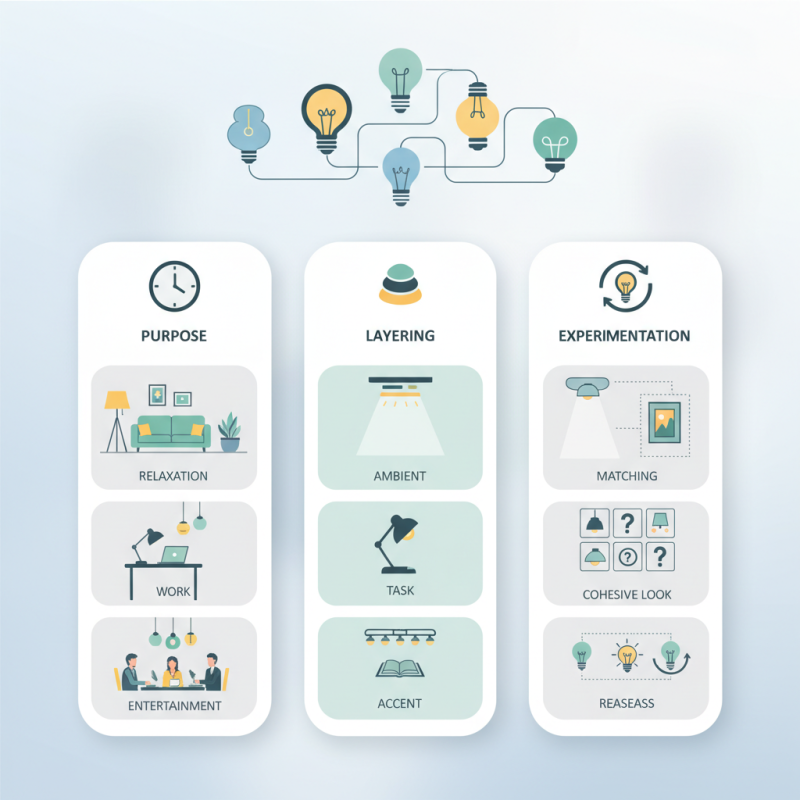
Begin with identifying the main purpose of the room. Is it meant for relaxation, work, or entertainment? Each function requires a different lighting approach. Layering different types of lighting—ambient, task, and accent—can achieve that balance. Think about how a pendant light might illuminate a dining area while a floor lamp could create a cozy reading nook.

However, finding the right balance isn’t always straightforward. You might struggle to match fixtures or maintain a cohesive look. Experimentation is key. Try various combinations and placements to see what resonates. Don’t hesitate to reassess lighting designs as your needs change. With thoughtful planning, coordinating lighting fixtures can enhance the overall experience of any space.
2026 Best Ways to Coordinate Different Lighting Fixtures in One Room?

Understanding the Importance of Coordinating Lighting Fixtures

Coordinating lighting fixtures in a room is crucial for creating a harmonious ambiance. Each fixture plays a role in the overall aesthetic and functionality. Without proper coordination, you may end up with a cluttered look. A mismatched collection can distract rather than enhance. Thoughtful coordination allows each fixture to complement others.

Consider the color temperature of your lights. Mixing warm and cool tones can lead to discord. Aim for consistent color temperatures to maintain a cohesive feel. Layering light sources helps create depth. Combine ambient, task, and accent lighting for a balanced look. For example, a pendant light over a dining table can be paired with wall sconces.

Remember to assess the height and scale of fixtures. A large chandelier might overwhelm in a small room. On the flip side, tiny fixtures can get lost in spacious areas. Reflect on your choices to avoid these pitfalls. Ultimately, lighting should elevate your space rather than complicate it. Don't hesitate to experiment with different combinations until you feel satisfied.

2026 Best Ways to Coordinate Different Lighting Fixtures in One Room

Style Type of Fixture Color Temperature Best Usage Area Recommended Pairings
Modern Recessed Lighting 3000K Living Room Pendant Lights
Traditional Chandeliers 2700K Dining Room Wall Sconces
Industrial Track Lighting 4000K Office Floor Lamps
Contemporary LED Strip Lights 3500K Kitchen Under-Cabinet Lights
Rustic Lanterns 2200K Bedroom Table Lamps

Types of Lighting Fixtures and Their Functions in a Room

When coordinating lighting fixtures in one room, it's essential to understand their types and functions. Ambient lighting provides general illumination, ensuring safety and visibility. It is often achieved using chandeliers, ceiling fixtures, or recessed lighting. According to industry data, ambient light accounts for about 50-70% of a room's total light. This base layer sets the tone for any space.

Task lighting is another critical component. It focuses on specific areas for activities like reading or cooking. Desk lamps and under-cabinet lights serve this purpose well. Research indicates that effective task lighting can reduce eye strain and improve productivity. However, relying solely on task lighting may create harsh contrasts, leaving other areas dim.

Accent lighting enhances elements of decor, like paintings or architectural features. This type is vital for creating visual interest. Wall sconces and spotlights often serve this role. Yet, balance is key; too much accent lighting can cause an overwhelming atmosphere. Mixing these fixture types strategically can result in both functionality and aesthetics, but it requires careful consideration.

Tips for Selecting Complementary Lighting Styles and Finishes

When coordinating different lighting fixtures in one room, selecting complementary styles and finishes is crucial. A 2022 report by the International Association of Lighting Designers shows that 85% of homeowners prioritize aesthetics when choosing lighting. This highlights the need for fixtures to harmonize within the space. For instance, pairing modern pendant lights with vintage sconces can create a beautiful contrast, but attention to style cohesion is essential.

Consider the finishes of each lighting piece. A room benefits from a mix of matte and shiny surfaces, but too many similar finishes can make the space visually flat. Research from the National Kitchen and Bath Association indicates that 65% of designers recommend varying textures in lighting. This approach adds depth and interest, as well as ties different elements together. However, it can be easy to overdo it, resulting in a cluttered look. Striking a balance is important.

While multiple lighting sources enhance functionality, they must also complement the overall design. Layering different types, such as ambient, task, and accent lighting, is key. A 2021 survey highlighted that 72% of interior designers emphasize the importance of layering. Yet, poorly chosen combinations can lead to jarring contrasts. This calls for thoughtful placement and careful selection of styles to achieve a cohesive lighting environment.

Creating a Balanced Lighting Plan: Layering Techniques

Creating a balanced lighting plan in one room can transform your space dramatically. Layering techniques play a crucial role in achieving this. Start by considering ambient, task, and accent lighting in your design. Ambient lighting serves as the foundation, filling the room with a soft glow. Use ceiling fixtures or floor lamps for this purpose.

Task lighting helps in carrying out specific activities. Think about reading lamps or under-cabinet lights in the kitchen.

Tips: Choose fixtures that differ in height. Mix floor lamps, table lamps, and wall sconces. This variation brings visual interest and enhances the room's dimension. Accent lighting adds drama and focus. Use picture lights to highlight artwork or spotlights for architectural features. Ensure these fixtures complement your room's style and color palette.

Don’t be afraid to experiment with different intensities and colors. Some might find it challenging to balance bright and dim fixtures. Adjusting the wattage can create the desired mood. Remember to reflect on how each light interacts with the others. Test different arrangements until you're satisfied with the ambiance. This process can be time-consuming but leads to a well-coordinated, inviting space.

Practical Examples of Coordinating Lighting in Different Room Types

Lighting plays a crucial role in home design. It not only illuminates spaces but also sets moods. Coordinating different lighting fixtures requires thoughtful consideration. For instance, combining pendant lights with recessed lighting creates layers of illumination. This approach enhances both functionality and aesthetics.

In a living room, ambient lighting can be achieved with chandeliers or floor lamps. Task lighting is essential near reading spots. A common error is relying solely on one type of lighting. A report by the American Institute of Architects states that varied lighting intensifies the room's character. Consider incorporating LED strip lights for a modern touch. They can highlight architectural features effectively.

Tips: Use dimmers for flexibility. This allows you to adjust the light based on activities. Experiment with color temperatures. Warmer tones can make a space feel cozy, while cooler tones can promote alertness. Reflect on how you use the space. Lighting choices should align with your daily activities and emotional needs.

FAQS

: What is a balanced lighting plan?

: A balanced lighting plan uses various light layers. It transforms a space by combining ambient, task, and accent lighting.

How can I achieve ambient lighting?

Ambient lighting can be achieved with ceiling fixtures or floor lamps. These create a soft glow throughout the room.

What is task lighting used for?

Task lighting helps with specific activities. Examples include reading lamps or under-cabinet lights in kitchens.

Why is varying light height important?

Different light heights add visual interest. Mixing floor lamps, table lamps, and wall sconces enhances the room's dimension.

How can I use accent lighting effectively?

Use accent lighting to highlight artwork or architectural features. Picture lights and spotlights create drama and focus.

What should I consider when selecting fixtures?

Ensure fixtures complement the room's style and color palette. Reflect on how each light interacts with others.

How can I create different moods with lighting?

Experiment with light intensity and color. Adjusting wattage and trying different arrangements can help achieve the desired mood.

What common mistake should I avoid?

Avoid relying solely on one type of lighting. A varied lighting approach is essential for enhancing character in a room.

How can dimmers be useful?

Dimmers offer flexibility, allowing light adjustments based on activities. This can change the room's atmosphere easily.

What factors should lighting choices reflect?

Lighting should align with daily activities and emotional needs. Reflect on how you intend to use the space.

Conclusion

In "2026 Best Ways to Coordinate Different Lighting Fixtures in One Room," the article emphasizes the significance of harmonizing various lighting elements to create a cohesive atmosphere. It explores the different types of lighting fixtures—such as ambient, task, and accent lighting—and their specific roles in enhancing a room's functionality and aesthetic appeal.

To effectively learn how to coordinate different lighting fixtures in one room, readers are provided with tips on selecting complementary styles and finishes that match the overall decor. The article also discusses layering techniques to ensure balanced lighting throughout the space, along with practical examples tailored to different room types. By understanding these principles, anyone can achieve a well-lit, inviting environment that reflects their personal style.

Isabella

Isabella

Isabella is a dedicated marketing professional with a sharp focus on driving brand growth and engagement through strategic content creation. With an extensive background in digital marketing, she combines her passion for storytelling with her keen understanding of industry trends to deliver......