Choosing the right color temperature for bedroom lighting can significantly impact your sleep quality. Research indicates that warmer light, around 2700K to 3000K, promotes relaxation, making it ideal for winding down at night. On the other hand, cooler light, above 4000K, can enhance alertness, which may not be suitable for a restful environment. So, what is the best color temperature for bedroom lighting?
Studies from the National Sleep Foundation reveal that light affects our circadian rhythms. Exposure to blue light in the evening can disrupt sleep. Therefore, selecting the right hue is crucial. The Bedroom Lighting Association emphasizes the importance of personal preference in this selection process. While general guidelines exist, individual comfort varies.
Creating a soothing space with the appropriate color temperature is not just about aesthetics. It's about establishing a haven for relaxation and restfulness. Careful consideration of lighting can transform your sleep environment. Think about how different shades make you feel. Experiment with different options to find what truly enhances your bedroom experience.
Understanding Color Temperature and Its Importance in Bedroom Lighting
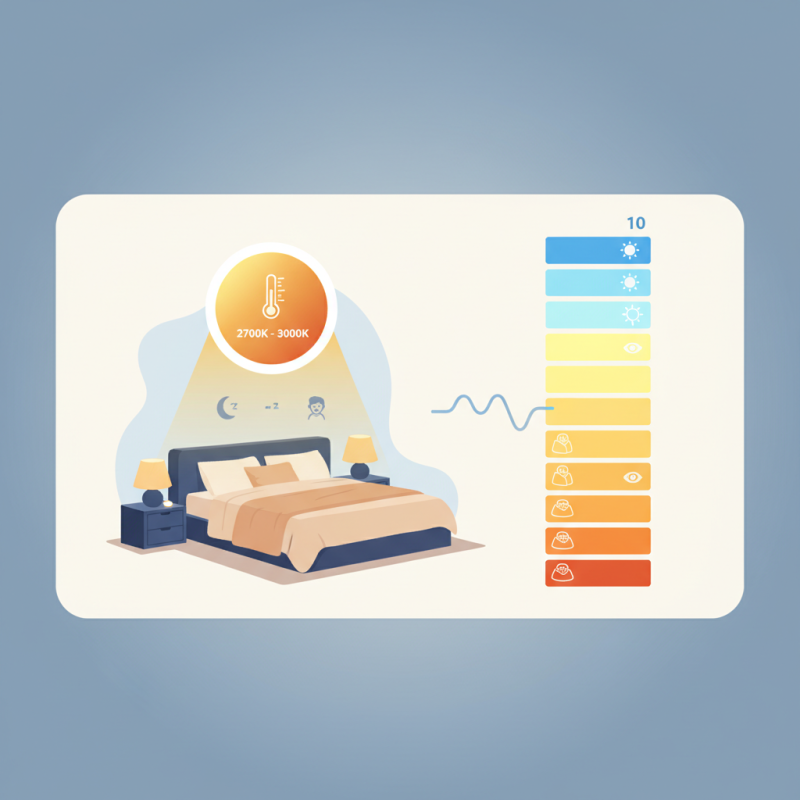
Color temperature plays a crucial role in creating the right mood for your bedroom. It is measured in Kelvin (K) and influences how we perceive light. A lower Kelvin value, around 2700K to 3000K, offers a warm, inviting glow. This is ideal for a space meant for relaxation and winding down. Warmer tones mimic the sunset, encouraging a sense of calm.
On the contrary, cooler temperatures of 4000K to 5000K provide a brighter, more energizing atmosphere. These lights are suitable for mornings or activities like reading or work. However, bright white light may disrupt your sleep cycle if used too late in the evening. Balance is key when choosing the right temperature for your lifestyle.
Understanding these nuances can help avoid mistakes in bedroom lighting. Using harsh or overly bright lights can lead to discomfort. It’s also essential to test various options in your space. Each individual’s reaction to light varies. What works for one person might not work for another. Therefore, experimenting with different color temperatures can be rewarding.
The Ideal Color Temperatures for Relaxation and Sleep Quality
The ideal color temperature for bedroom lighting plays a crucial role in promoting relaxation and improving sleep quality. Studies suggest that warmer lights, typically ranging from 2700K to 3000K, are best for winding down. This range mimics the natural hues of sunset, signaling to your body that it's time to relax. In contrast, cooler lights above 4000K can disrupt your natural circadian rhythm.
A report by the National Sleep Foundation reveals that exposure to blue light, particularly in the evening, can reduce melatonin production by over 50%. This hormone is essential for quality sleep. To create the perfect atmosphere, consider installing dimmable LED bulbs. These allow flexibility, letting you tailor the brightness as needed. A cozy, warm glow in the evening can significantly enhance your ability to fall asleep.
It's essential to remember that personal preferences can vary. Not everyone finds the same color temperature soothing. Some people might prefer a slightly cooler light, around 3500K. Experimenting with different tones can lead to discovering what truly works for your relaxation routine. Lighting design is an evolving science, and finding your perfect setup may take time and adjustments.
Analyzing Different Light Sources: Incandescent, LED, and CFL Options
Choosing the right lighting for your bedroom can greatly affect your mood and sleep quality. When considering light sources, incandescent, LED, and CFL options each have unique characteristics. Incandescent bulbs emit warm light. This mimics the glow of a candle. It creates a cozy atmosphere but is energy inefficient. Their short lifespan is another drawback, requiring more frequent replacements.
LED lighting is popular for its energy efficiency and longevity. These bulbs come in various color temperatures. Many prefer warmer hues for bedtime, as they can promote relaxation. However, some can emit harsher light. This may disrupt your wind-down routine. CFLs are a middle-ground option. They offer decent energy savings, but their light is often cooler than desired. Users might find it a bit harsh for a calming bedroom.
Choosing the best light source is a balance. Consider your space and personal preferences. Test different bulbs to see which feels right. It’s okay to rethink your choices as your needs evolve. Lighting can be easily swapped, so don’t hesitate to experiment until you find your perfect ambiance.
Top 10 Best Color Temperatures for Bedroom Lighting Choices
| Light Source Type |
Color Temperature (Kelvin) |
Ideal Use Case |
Energy Efficiency |
| Incandescent |
2700K |
Warm and Cozy |
Low |
| LED |
3000K |
Versatile Lighting |
High |
| CFL |
3500K |
Balanced Light |
Medium |
| LED |
4000K |
Modern Feel |
High |
| Incandescent |
2200K |
Romantic Ambiance |
Low |
| CFL |
5000K |
Bright & Alert |
Medium |
| LED |
6000K |
Cool and Crisp |
High |
| Incandescent |
2000K |
Very Warm |
Low |
| CFL |
6500K |
Daylight Simulation |
Medium |
| LED |
3500K |
Calming Light |
High |
Blending Color Temperatures for a Cohesive Bedroom Atmosphere
Creating a cohesive bedroom atmosphere requires careful selection of color temperatures for lighting. Studies show that warmer light, around 2700K to 3000K, promotes relaxation and helps prepare the mind for sleep. In contrast, cooler light (4000K and above) can boost alertness. Balancing these temperatures can improve the bedroom's overall vibe.
Mixing different light sources is key. Soft, warm bedside lamps can create comfort, while brighter, cooler overhead lights can enhance productivity when working or reading. A report by the Lighting Research Center suggests that layering these temperatures can create depth and warmth, making the room feel inviting.
Tip: Experiment with dimmers. They allow you to adjust the light’s warmth according to your mood or activity.
Another consideration: consider using smart bulbs that let you alter color temperatures easily. They add versatility, allowing you to switch from mellow evenings to energizing mornings with just a tap. Remember, the goal is to create a space that feels personal and inviting. Don't hesitate to adjust until you find what works best for you!
Practical Tips for Choosing and Adjusting Bedroom Lighting for Comfort
Creating a cozy bedroom involves the right lighting. Color temperature greatly impacts the mood and comfort level. Warm tones around 2700K to 3000K create a relaxing atmosphere. These hues are similar to candlelight, promoting calmness before sleep. Cooler temperatures, like 4000K, can enhance focus during reading or work.
Consider adjusting your lighting. Dimmers can change the intensity of the light, allowing for flexibility. Experimenting with light placement is also crucial. A bedside lamp can provide soft illumination. Overhead lights can be harsh and disruptive. Aim for a mixture; this prevents the room from feeling flat or lifeless.
Personal preferences matter. Some may find softer, warm light too sleepy. Others might want a bit of coolness for alertness. Reflect on how different temperatures affect your sleep and mood. Taking time to discover these preferences can lead to an ideal setup. It's a process that requires patience and adjustment. Embrace the journey of finding your perfect lighting.
Top 10 Best Color Temperatures for Bedroom Lighting Choices
This chart illustrates the optimal color temperatures for bedroom lighting, measured in Kelvin (K). A well-chosen color temperature can greatly enhance your bedroom's ambiance, promoting relaxation and comfort.
Conclusion
When considering what is the best color temperature for bedroom lighting, it's essential to understand the impact of color temperature on mood and sleep quality. Warmer color temperatures, typically ranging from 2700K to 3000K, are ideal for relaxation, promoting a calming atmosphere conducive to winding down before sleep. In contrast, cooler temperatures can increase alertness, making them less suitable for nighttime environments.
Different light sources, including incandescent, LED, and CFL, offer various advantages and can have distinct impacts on the overall bedroom ambiance. It's important to create a cohesive atmosphere by blending these color temperatures. Practical tips include utilizing dimmable options and layering light sources to adjust brightness and warmth according to the time of day, ultimately ensuring comfort and enhancing sleep quality in the bedroom environment.

 Silvan Lighting