Creating a minimalist space can transform your home into a calming retreat. Recessed lighting plays a crucial role in achieving this aesthetic. By strategically placing hidden lights, you enhance your decor without overwhelming the space.
When considering how to achieve a minimalist look with recessed lighting, it’s essential to focus on simplicity and functionality. Choose fixtures that blend seamlessly into ceilings. This decision reduces visual clutter and maintains an airy feel. Familiarize yourself with various lighting options. Some lights can be too harsh or too dim for your needs.
Consistency is key. Ensure your recessed lighting complements your overall design theme. A common mistake is mismatched styles, which can disrupt the intended ambiance. Sometimes, less is more. Overly bright or numerous lights can distract from minimalism's calming essence. Reflect on your choices and adjust as needed. Embracing imperfections can lead to a more authentic environment.
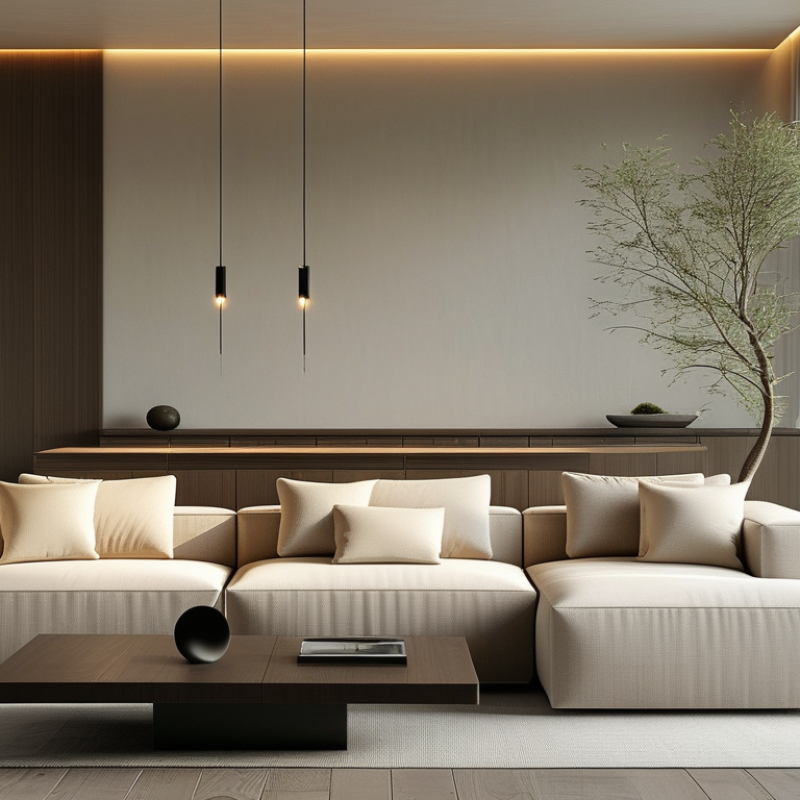
Minimalism in interior design focuses on simplicity and functionality. It emphasizes clean lines and a clutter-free environment. The goal is to create serene spaces that evoke peace and clarity. Adopting minimalism means letting go of excess. Every item should serve a purpose and contribute to the overall aesthetic.
Recessed lighting plays a pivotal role in achieving this minimalist look. When strategically placed, these fixtures can highlight architectural features without overwhelming the space. They provide illumination while maintaining a clean ceiling line. Choosing warm LED bulbs enhances comfort without sacrificing style. However, poor placement can lead to uneven lighting. This requires careful planning and adjustment, which can be an ongoing learning process.
Embrace natural materials and neutral palettes. A minimalist space often utilizes wood, stone, and metal. These elements grounded in nature enhance the serene vibe. Yet, it can be challenging to avoid a stark look. Balancing warmth with simplicity is essential. The key lies in selecting the right textures and tones. Remember, minimalism is not about perfection. It is about creating a space that feels intentional and personal.
Choosing the right recessed lighting fixtures can significantly enhance a minimalist aesthetic. Focus on simplicity and clean lines. Opt for fixtures that blend seamlessly with your ceiling. White or matte finishes often work best. They create a uniform look without drawing attention away from the overall design.
Consider the size and placement of your lights. Too many fixtures can clutter the space. Aim for a balanced distribution of light. Choose fixtures that provide adjustable brightness. This flexibility allows for various moods at different times. Less is often more, but achieving functionality is key.
Don’t overlook the importance of energy efficiency. Look for LED options that consume less power while providing ample light. Some fixtures might seem too bright or harsh. Test different settings to find what feels right. A minimalist look thrives on understated elegance, so finding the perfect lighting balance is essential.
Achieving a minimalist look with recessed lighting requires careful planning and strategic placement. According to industry reports, effective use of recessed lighting can enhance the aesthetic of a space by maximizing natural light while minimizing clutter. In a recent survey, 75% of interior designers noted that well-placed recessed lighting significantly improves the perceived spaciousness of a room.
Placement is crucial for creating an optimal minimalist effect. Centering the fixtures in key areas, such as over seating arrangements or artwork, directs attention without overwhelming the senses. Aim for about 6 to 8 feet between each recessed light to ensure an even spread of illumination. This spacing helps maintain a clean, uncluttered ceiling line, allowing the simplicity of design to shine.
Tips: Consider dimmer switches to adjust brightness levels according to mood. Soft, warm light creates a cozy atmosphere while sharper, cooler light enhances focus. Avoid placing lights directly in line with architectural features that might draw unwanted attention. It’s also important to reflect on the balance between light and shadow. Too much light can wash out a space, while too little can create a gloomy effect. Finding this balance is key to achieving that minimalist look.
When aiming for a minimalist look, recessed lighting plays a crucial role. This type of lighting seamlessly integrates into ceilings, creating an uncluttered aesthetic. According to a report by the American Lighting Association, 70% of homeowners prefer recessed lighting for its ability to enhance a space's simplicity while providing effective illumination.
To complement recessed lighting, incorporate minimalist decor elements. Use neutral color palettes, like whites and grays, to maintain tranquility. Select furniture with clean lines and avoid excessive ornamentation. Integrating natural materials, such as wood or stone, can add warmth without overwhelming the visual simplicity. The combination creates a balanced environment that feels open and inviting.
However, achieving true minimalism can be challenging. Many individuals might over-decorate despite their intentions. It's essential to evaluate each item in the room. Keep only what serves a purpose or holds personal value. Regularly reassess your decor choices to avoid clutter, ensuring your space remains visually coherent and serene. Reflections on personal belongings can deepen your appreciation for a minimalist lifestyle, fostering a more intentional living space.
Achieving a minimalist look goes beyond aesthetics; it requires thoughtful design choices. When incorporating recessed lighting, consider placement and dimming options. This flexibility allows for light control that adapts to different activities. You can create a cozy reading nook or an illuminating workspace, showing versatility in a single design.
The key lies in balancing simplicity and function. Recessed lights should not overwhelm a space. Instead, they should highlight architectural features or artwork. Ensure your choices support life’s everyday needs. Mistakes often arise from overcomplicating designs or using too many fixtures. Reflect on how light affects your space and your mood.
In a minimalist setting, every detail matters. Focus on the quality of light rather than quantity. Opt for warm tones to create an inviting atmosphere. Regularly reassess how your lighting serves your lifestyle. Is it adaptable? Does it enhance your experience? A minimalist approach is not just about removing clutter; it's about enhancing life through thoughtful illumination.
| Aspect | Description |
|---|---|
| Lighting Type | Recessed lighting creates a seamless and unobtrusive look by being integrated into the ceiling. |
| Placement | Strategically place lights to highlight architectural features while minimizing clutter. |
| Bulb Choice | Use LED bulbs for energy efficiency and a clean, bright light that complements minimalist design. |
| Color Temperature | Choose a warm white (2700K-3000K) to create a cozy atmosphere within minimalist spaces. |
| Dimming Options | Incorporate dimmers to enhance flexibility and adjust the mood of the space easily. |
| Control Systems | Consider smart lighting systems for convenient control and added functionality without added visual clutter. |
| Design Harmony | Ensure the lighting fixtures harmonize with the overall minimalist aesthetic of the room. |
: Focus on simple, clean designs that blend with the ceiling. Matte finishes usually work well for understated elegance.
Consider size and spacing. Avoid too many fixtures that clutter the space. Aim for balanced light distribution.
Energy efficiency matters. LED options save power while providing sufficient light. Test brightness settings to find the right level.
Use neutral colors in decor. Select furniture with clean lines and minimal ornamentation to maintain simplicity and tranquility.
Over-decorating is a common issue. Regularly assess items in the room to ensure they serve a purpose or hold value.
Incorporate dimming options for adjustable brightness. This lets you adapt lighting for various activities, enhancing functionality.
Quality trumps quantity. Warm tones create cozy atmospheres. Reflect on how lighting affects your mood and daily life.
Avoid overcomplicating your design. Fewer fixtures can often create a more effective minimalist look. Keep it simple and functional.
To achieve a minimalist look with recessed lighting, it is essential to embrace the core principles of minimalism in interior design, focusing on simplicity and functionality. Selecting the right recessed lighting fixtures is crucial for maintaining a clean aesthetic, so opt for designs that blend seamlessly with the architecture of your space. Additionally, strategically placing the lighting not only enhances the overall ambiance but also highlights key features without overwhelming the design.
Incorporating minimalist decor elements alongside your recessed lighting can further emphasize the clean lines and open spaces characteristic of a minimalist style. It's important to maintain flexibility and functionality in your lighting design, ensuring that the lighting solutions cater to both aesthetic and practical needs. Ultimately, understanding these aspects will guide you on how to achieve a minimalist look with recessed lighting, creating a serene and visually appealing environment.

Silvan Lighting