China Top 10 Decorative Lights to Create a Cozy Atmosphere?

Time:2026-09-24 Author:Aria
0%

Creating a warm home often begins with the right glow, not expensive furniture. China’s decorative lighting market offers many styles, from handmade ceramic lamps to compact LED string lights. These products can change a plain corner into a calmer, more inviting space.

This guide explores the China Top 10 Decorative Lights to Create a Cozy Atmosphere. It considers design, materials, brightness, energy use, and practical placement. You will see options for bedrooms, living rooms, reading corners, dining areas, and balconies. Soft amber bulbs may suit a wooden side table, while a dimmable pendant can soften a larger room. Small details matter. A frosted shade reduces harsh reflections. A fabric lamp creates a gentler shadow.

The central question is how to create a cozy atmosphere with decorative lights without making a room feel crowded or overly yellow. Reliable choices should include clear product specifications, stable wiring, suitable plugs, and recognized safety testing for the intended market. Always check voltage compatibility before purchase. Beautiful lighting is not automatically comfortable lighting.

Some recommendations remain subjective. A dramatic lamp may photograph well but provide poor reading light. I have also found that brightness descriptions can feel inconsistent between suppliers. Therefore, this selection values real usability alongside appearance. It encourages careful comparison, thoughtful placement, and honest reconsideration before ordering. Even the best light needs balance. Cozy does not mean dim everywhere.
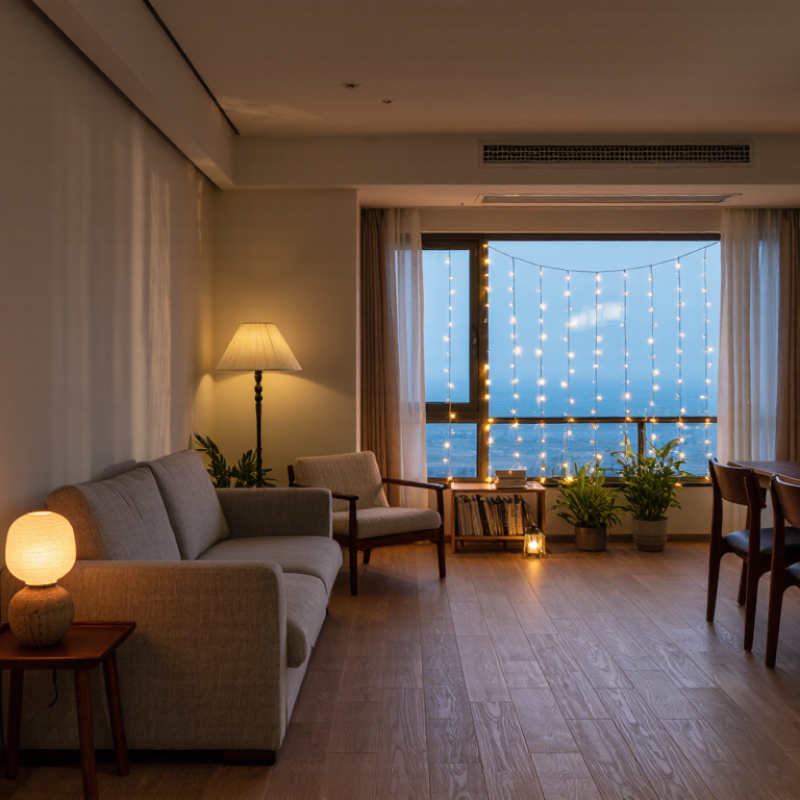
China Top 10 Decorative Lights to Create a Cozy Atmosphere?

What Are Decorative Lights and How Do They Create a Cozy Atmosphere?

Decorative lights are fixtures chosen for visual mood, not only for brightness. They include pendant lamps, wall sconces, table lamps, string lights, lanterns, and softly glowing floor lights. Unlike a ceiling light, they can add shape, color, texture, and gentle shadows to a room. In practice, a warm light near 2700K often makes wood, fabric, and cream-colored walls feel more welcoming. However, the result depends on the room’s size and existing colors.

A cozy atmosphere usually comes from layered lighting. A table lamp beside a sofa supports reading, while a small wall light can brighten a dark corner. A pendant above a dining table creates a clear gathering point. I have found that frosted shades reduce harsh glare better than exposed bulbs. The difference is noticeable. Light feels calmer.

Decorative lighting also changes how people use a space. Low-level lights can make an evening conversation feel quieter and more private. Small lanterns may bring warmth to a balcony or entryway. Yet more lights do not always create more comfort. Too many colors can make the room look restless. A fixture may appear beautiful in a showroom but feel oversized at home. Measuring the ceiling height, checking the bulb’s color temperature, and testing the light at night are practical steps. Some choices still need reconsideration after installation. Reliable wiring and suitable heat protection matter as much as appearance.

China’s Top 10 Decorative Light Types for Warm and Inviting Spaces

China’s top ten decorative light types bring texture, softness, and cultural character to warm interiors. Paper lanterns create a gentle glow above dining tables or reading corners. Bamboo pendants add a natural, handmade feeling. Rattan lamps soften modern rooms with woven shadows. Ceramic table lamps suit bedside cabinets and quiet workspaces. Carved wood lamps introduce depth without making the room feel heavy. Silk-shade lamps spread warm light across walls and furniture. The effect can feel intimate.

Wall sconces are useful beside mirrors, sofas, or narrow hallways. They save floor space and reduce harsh overhead brightness. Floor lamps provide layered lighting beside an armchair or low cabinet. String lights work well around windows, shelves, and balconies. Their small points of light create a relaxed evening mood. Candle-style LED lanterns add a traditional touch without an open flame. This option is practical for homes with children or pets.

In residential lighting projects, installers should match each fixture with the room’s humidity and electrical requirements. Damp areas need suitable protection ratings and secure wiring. Warm-white bulbs, usually around 2700K to 3000K, support a welcoming atmosphere. Too many decorative fixtures can make a room look crowded. I have also found that woven shades may cast uneven patterns, which some users dislike. That imperfection can be charming, but it deserves a real sample test before larger purchases. Check the shade, cord, socket, and heat control carefully. Small details matter.

Key Features to Compare When Choosing Decorative Lights

When comparing decorative lights, start with brightness and color temperature. A small table lamp may need only a gentle glow, while a floor lamp must illuminate a wider corner. Check the lumen rating rather than judging brightness from product photos. Warm white light, around 2700–3000 kelvin, often feels comfortable in living rooms. Cooler light can look crisp, but may feel less inviting at night.

Color quality matters. A higher color rendering index can make wood, fabric, and skin tones appear more natural. Look for dimming options, and confirm that the dimmer is compatible with the light. Not every “dimmable” fixture works smoothly with every control. Flicker can be hard to spot in a store, so read specifications and reviews carefully. Small details count.

Then consider construction, size, and upkeep. Metal or glass shades may feel sturdy, while woven materials soften the light but can collect dust. Measure the table or wall area before choosing; an oversized shade can dominate a compact room. Check whether bulbs are replaceable, and compare energy use and rated lifespan. For plugged-in lights, inspect cord length and the placement of the switch. I have found that a beautiful fixture can still be inconvenient when its switch is hidden behind furniture. Test the light in the room, if possible. Photos rarely tell the whole story.

China Top 10 Decorative Lights to Create a Cozy Atmosphere

Compare popular decorative light types by their typical suitability for creating a cozy atmosphere. Ratings are illustrative, based on common use and lighting characteristics—not measured product test results.

How to read this chart: Higher ratings indicate light types commonly suited to soft, warm, layered lighting. For a cozier effect, consider warm-white color temperatures (around 2700–3000 K), dimming options, and diffused light.

How to Select Decorative Lights for Different Rooms and Occasions

Choosing decorative lights begins with the room’s purpose, not the fixture’s appearance. In a living room, combine a shaded floor lamp beside the sofa with soft wall lights to reduce harsh contrast. For bedrooms, warm bulbs around 2700K create a gentler evening feel, while a focused bedside light keeps reading practical. Kitchens need clearer task lighting over counters; decorative pendants work best when they do not cast shadows on food preparation areas. The U.S. Department of Energy reports that LED bulbs use at least 75% less energy and last up to 25 times longer than incandescent lighting. That makes LEDs a sensible choice for frequently used fixtures, though the warmest option may still feel too bright in a small room.

Occasions change the mood. A dining table can feel intimate with a pendant on a dimmer, while low lamps and candles suit a relaxed gathering. For celebrations, use several small light sources rather than one glaring ceiling fixture. Bathrooms need fixtures suited to damp locations, especially near showers; check the fixture’s safety rating before installation. Keep light levels adjustable. Real rooms are imperfect: pale walls reflect more light, and dark furniture can absorb it. A simple trial helps—place a lamp where people sit, then check for glare from the doorway. There is no universal “cozy” setting. DOE efficiency data supports LED selection, but comfort still depends on placement, shade, and personal preference.

Installation, Placement, and Safety Tips for Decorative Lighting

Decorative lights feel warmest when they illuminate a surface, not glare into your eyes. Place a small lamp near a reading chair, or aim a wall light toward textured plaster. Keep fixtures clear of curtains, bedding, and paper decorations. For a layered effect, combine low-level table lighting with a single higher accent. It need not look perfect; a slightly uneven arrangement often feels more lived-in.

Before installation, check the fixture’s rating and use it only in suitable indoor or outdoor locations. Secure cords along walls, away from walkways and door hinges. Do not pinch them beneath rugs or furniture. The U.S. Department of Energy reports that LED bulbs use up to 90 percent less energy and can last up to 25 times longer than incandescent bulbs. That can reduce heat and replacement frequency, but LEDs still need safe, compatible fittings. Turn lights off before changing bulbs or adjusting connections. Small habit. Worth keeping.

Inspect plugs and cables for cracks, fraying, or loose connections before each season. Replace damaged items rather than patching them casually. Avoid connecting more devices to an outlet than its instructions allow, and use outdoor-rated extension cords outside. The National Fire Protection Association identifies electrical failure or malfunction as a factor in thousands of U.S. home fires each year. Its fire-data reports are a useful reminder: attractive placement matters, but clear space around lights matters too. I still sometimes underestimate how warm a crowded corner can become.

FAQS

What are decorative lights?

They are lights chosen for mood as well as brightness. Examples include table lamps, wall sconces, pendants, lanterns, and string lights.

How can decorative lights make a room feel cozier?

Use several gentle light sources instead of relying on one bright ceiling fixture. A warm bulb near 2700K can soften the look of wood and cream-colored walls. The effect varies by room.

Where should I place a lamp for comfortable reading?

Put a table lamp near your reading chair, with its light aimed toward the book. Try to keep the bulb out of your direct line of sight. Less glare helps.

How can I create layered lighting?

Combine a low table lamp with a higher wall light or pendant. A lamp beside the sofa and a pendant above the dining table can define separate areas. Uneven placement can feel lived-in, though it may need adjusting.

How do I avoid making a room feel too busy?

Limit the number of colors and glowing fixtures. Too many lights can make a room feel restless, while an oversized fixture may crowd a small space. Measure first. Then test it at night.

What should I check before installing decorative lights?

Check that each fixture suits its location and keep it away from curtains, bedding, and paper decorations. Secure cords along walls, away from walkways and door hinges. Do not tuck cords beneath rugs.

Are LED bulbs useful for decorative lighting?

LED bulbs can use less energy and last longer than incandescent bulbs. Choose a compatible fitting, and do not assume every LED stays cool. It still needs care.

How can I check lights for safety?

Inspect plugs and cables for cracks, fraying, or loose connections before each season. Replace damaged items rather than patching them casually. Turn lights off before changing bulbs or adjusting connections. I sometimes overlook crowded corners; they deserve another look.

Conclusion

Decorative lights do more than illuminate a room: their gentle glow, color temperature, and carefully chosen placement can make a space feel warm, calm, and welcoming. This guide explores ten popular types of decorative lights in China, including lanterns, string lights, table lamps, floor lamps, and wall lights, and explains how their styles and lighting effects suit different interiors. It also outlines key features to compare, such as brightness, light color, materials, energy use, durability, and ease of maintenance.

Learn how to create a cozy atmosphere with decorative lights by choosing suitable options for living rooms, bedrooms, dining areas, and special occasions. Practical advice on layering light, positioning fixtures, and selecting an appropriate level of illumination helps create a balanced setting without harsh glare. The guide also covers installation and everyday safety, including using lights as directed, keeping them away from heat and moisture when appropriate, and checking cords and connections regularly.

Aria

Aria

Aria is a dedicated marketing professional with a deep passion for innovative strategies and a keen understanding of our company's product offerings. With a wealth of experience in the industry, Aria excels at crafting engaging content that highlights the unique features and benefits of our......